

What Is Laser Treatment Therapy?
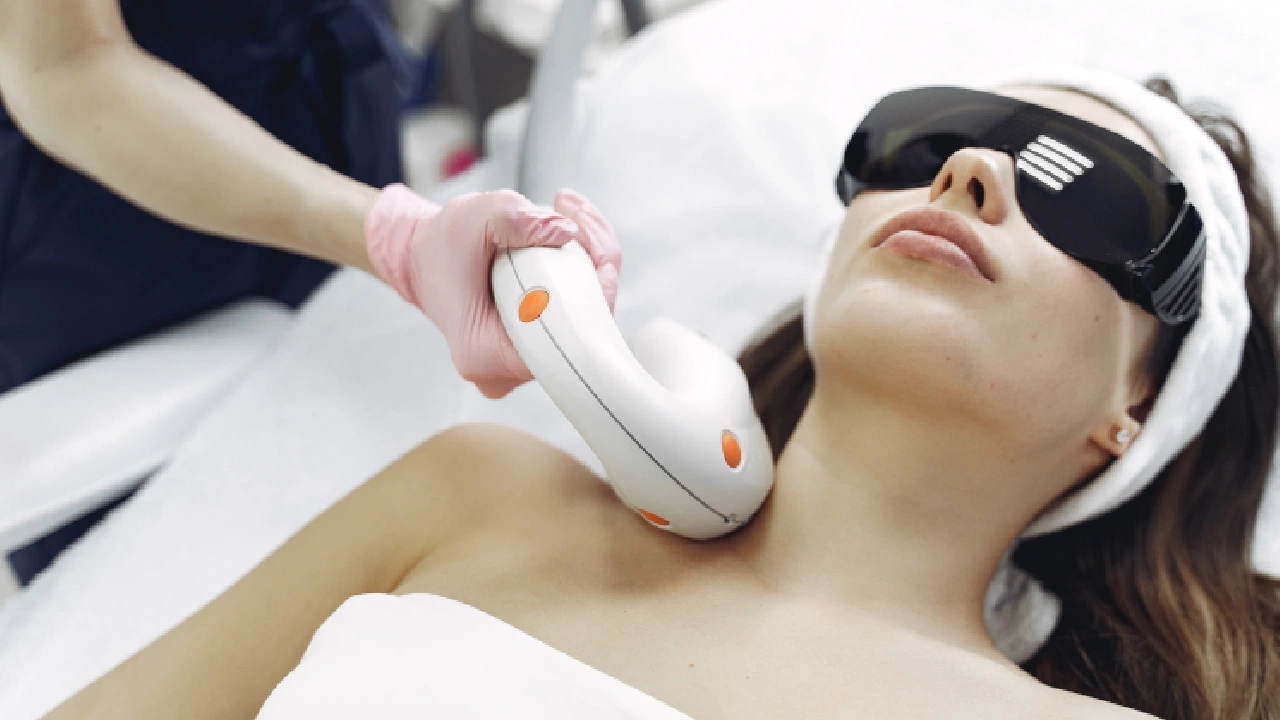
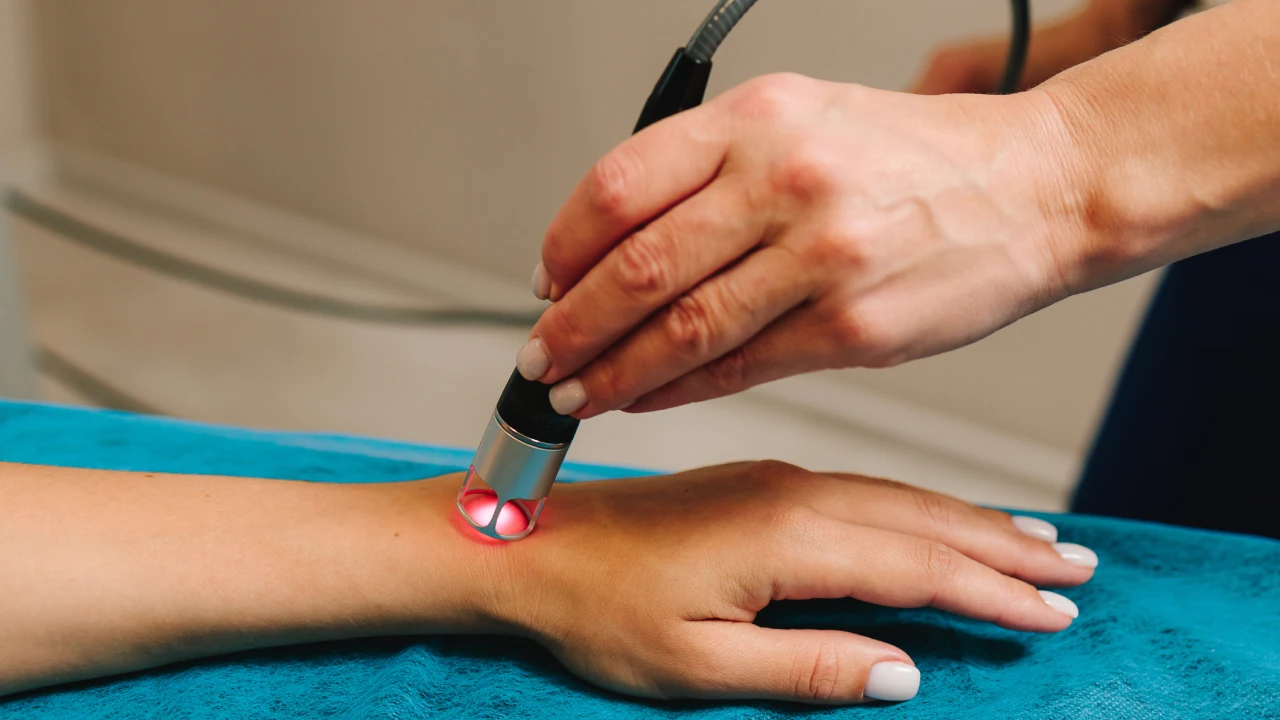
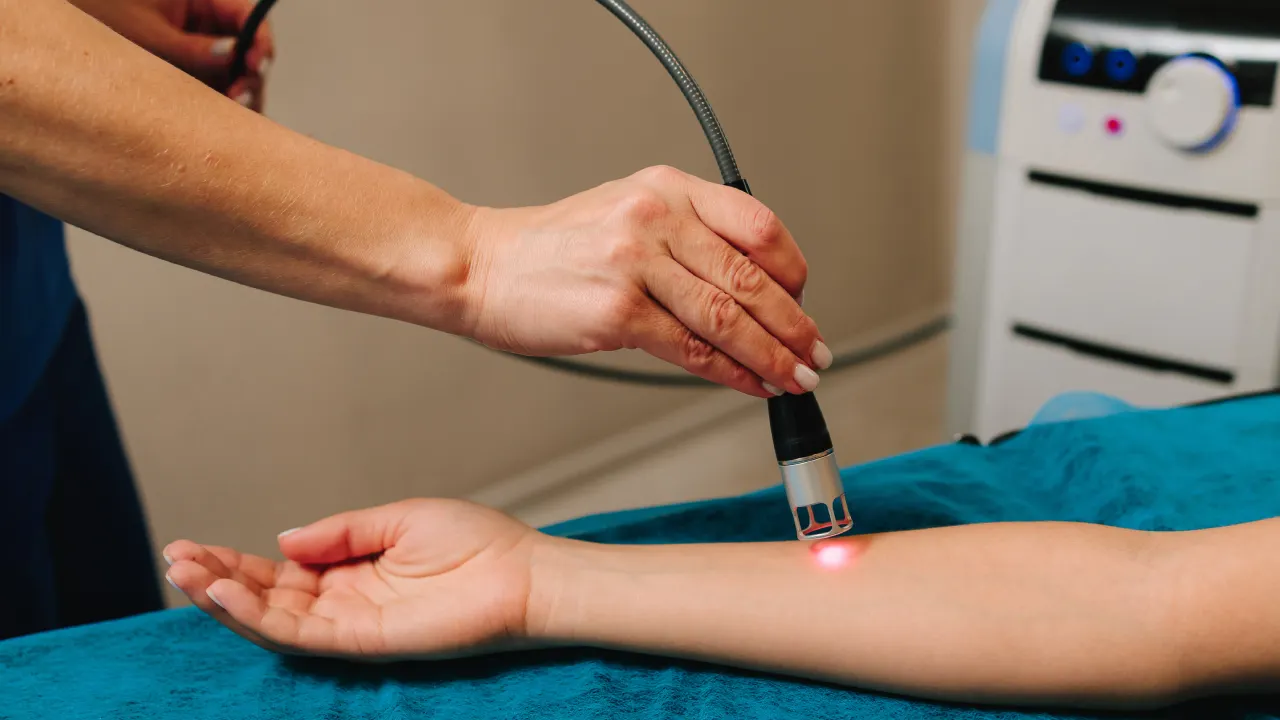
Laser Treatment Therapy uses low-intensity light rather than the high-power laser beams associated with surgery. The light is applied to a selected area for a short period. According to Revive Physiotherapy and Wellness, the process is intended to support cellular activity, circulation, tissue repair, and the management of inflammation.
The treatment is non-invasive. There are no needles or incisions, and a session may take only several minutes, depending on the area being treated and the clinical plan. It is generally used as one part of physiotherapy rather than as a stand-alone answer for every condition.
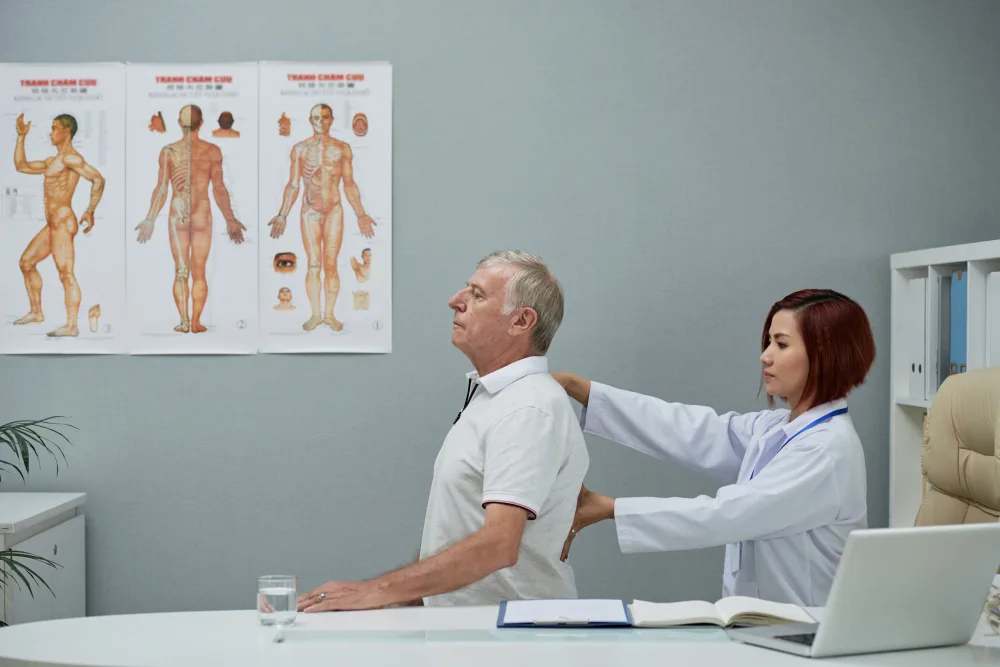
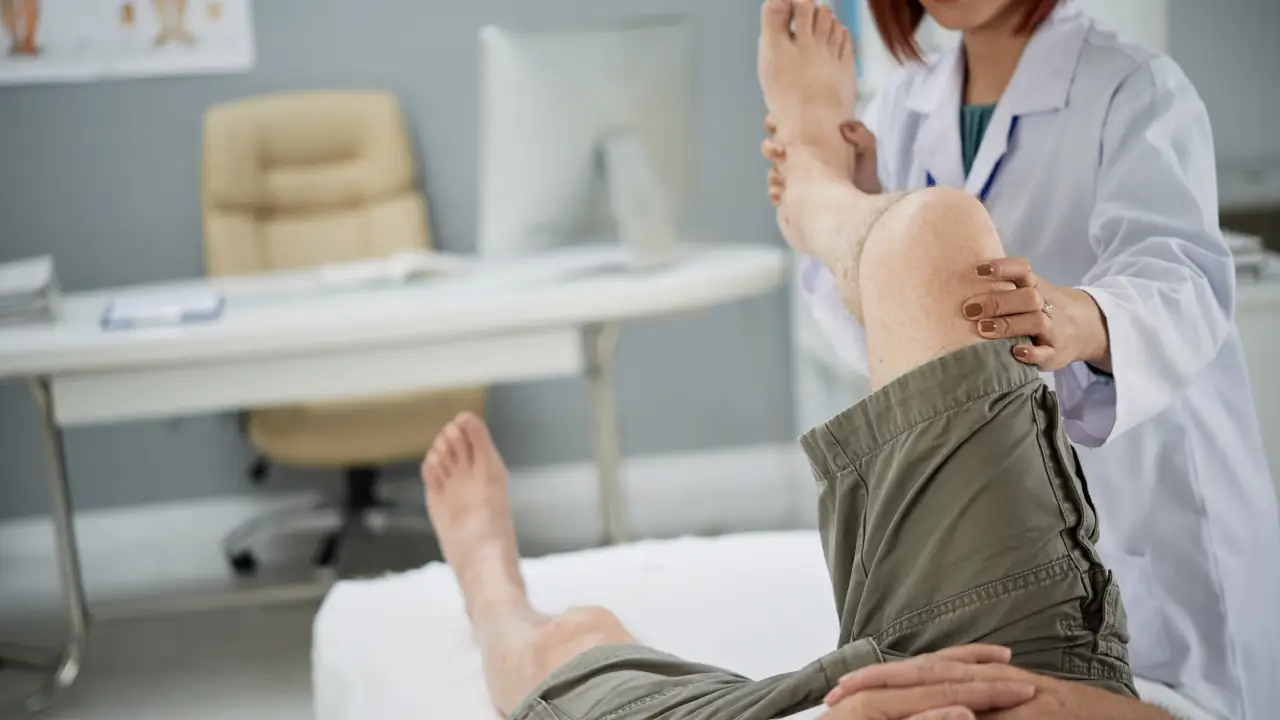
If you are considering Laser Treatment Therapy in Brantford, a physiotherapist should first assess your symptoms, movement, medical history, and goals. That assessment helps determine whether light-based treatment has a place in your care.
Choosing a physiotherapy clinic also means checking the clinic’s current location, hours, services, and appointment process. Revive Physiotherapy and Wellness lists laser treatment among its services and accepts appointment requests through its website.
A short consultation can also clarify expected session length and fees.
5 Benefits People Ask About
1. May Help Manage Discomfort
One of the most common reasons people ask about Laser Treatment Therapy is discomfort associated with muscles, joints, tendons, or other soft tissues. Photobiomodulation may influence cellular processes and inflammatory activity in treated tissues.
This does not mean that every person will have the same response. The underlying condition, duration of symptoms, treatment area, and other aspects of rehabilitation can all matter. A physiotherapist can assess the source of the problem and decide whether laser treatment fits the plan.
2. May Support Tissue Repair
Another frequently discussed benefit is support for tissue repair. Light energy can interact with cells and may influence processes involved in tissue recovery.
Revive Physiotherapy and Wellness notes applications involving soft-tissue injuries, sports injuries, and post-surgical rehabilitation. Laser Treatment Therapy may therefore be considered alongside exercise, manual therapy, activity modification, and other physiotherapy methods.
3. May Help with Inflammation
Inflammation can occur after an injury or as part of certain musculoskeletal conditions. Laser Treatment Therapy is often discussed for its potential influence on inflammatory processes.
For someone with a tendon, muscle, joint, or other soft-tissue concern, reducing excessive inflammatory activity may support the rehabilitation process. However, inflammation has many causes, and laser treatment is not appropriate for every inflammatory condition.
4. It Is Non-Invasive
People who prefer to avoid needles or surgical procedures may ask about Laser Treatment Therapy because it is applied externally. The treatment does not require an incision, and Revive states that its laser sessions are non-invasive.
A person generally remains seated or positioned comfortably while the device is applied to the selected area. Many people describe the process as simple, although sensations can vary according to the equipment and treatment area.
As with any healthcare procedure, the clinician should review safety considerations before treatment.
5. Sessions Can Be Relatively Short
Time is another common concern. Revive Physiotherapy and Wellness states that laser sessions commonly last around 5 to 15 minutes, although the duration can vary.
A short session can make it easier to include Laser Treatment Therapy within a broader physiotherapy visit. The total appointment may take longer because assessment, exercise, manual therapy, education, or other methods may also be included.
The number of sessions is not the same for everyone. It depends on the condition, response to treatment, and wider rehabilitation plan.
7 Things to Know Before Laser Treatment Therapy
1. It Is Not Suitable for Every Condition
Laser treatment may be used for certain musculoskeletal concerns, but that does not mean it is appropriate for every diagnosis. A physiotherapist should assess the problem before treatment begins.
2. The Treatment Is Usually Part of Physiotherapy
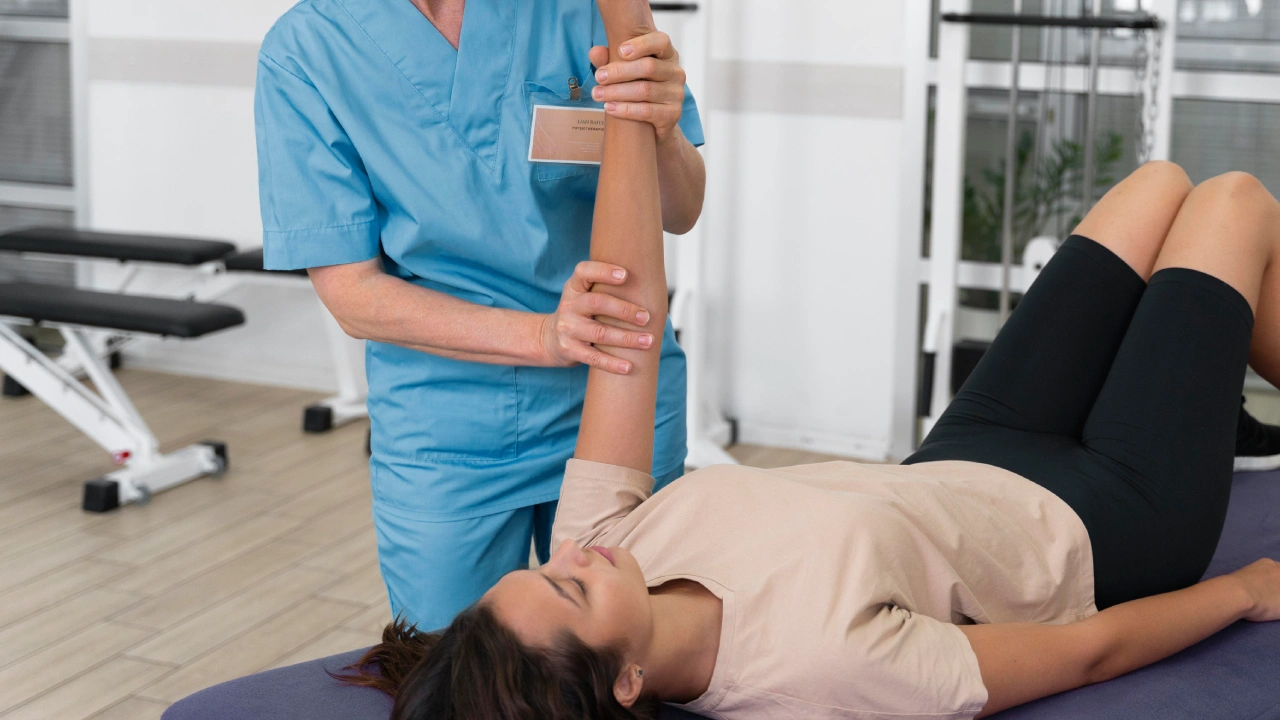
Laser Treatment Therapy is often used alongside exercises and other physiotherapy methods. For many musculoskeletal problems, restoring strength, mobility, coordination, and activity tolerance remains an important part of care.
3. Results Can Vary
People respond differently to treatment. Factors such as the type of injury, duration of symptoms, general health, treatment dose, and rehabilitation activities can influence outcomes. No clinic should promise a specific result.
4. Tell Your Physiotherapist About Relevant Health Details
Before a session, discuss recent procedures, medical conditions, pregnancy, or any other issue your physiotherapist should know about. This allows the clinician to review whether the treatment is appropriate.
5. Ask Which Area Will Be Treated
The treatment area and light parameters matter. Ask what body area will be treated, why it has been selected, how long the session will last, and how laser fits into the rest of your physiotherapy plan.
6. Ask About Eye Safety
Laser equipment requires appropriate safety precautions. Depending on the device and treatment setup, protective eyewear or other measures may be required. Follow the clinic's instructions throughout the session.
7. Ask How Progress Will Be Measured
Before starting, ask how the clinic will track progress. Measures may include movement, strength, activity tolerance, symptom changes, or functional goals. This helps determine whether the overall physiotherapy plan should continue, change, or stop.
How Much Does Laser Treatment Therapy Cost in Brantford?
Cost is one of the first questions many people have. Revive Physiotherapy and Wellness does not publish a specific price for Laser Treatment Therapy on its current website, so it would be inaccurate to quote a clinic fee without confirmation.
Before booking, ask Revive Physiotherapy and Wellness for the current fee, whether laser is included in a physiotherapy appointment, how many sessions may be considered, and whether receipts are provided for insurance claims.
Who May Ask About Laser Treatment Therapy?
People dealing with sports injuries, soft-tissue problems, tendon concerns, joint discomfort, chronic musculoskeletal symptoms, or post-surgical rehabilitation may ask whether laser treatment has a place in their physiotherapy plan.
Revive Physiotherapy and Wellness lists applications that include sports injuries, soft-tissue injuries, chronic pain management, post-surgical rehabilitation, and some nerve-related concerns. Still, the suitability of treatment depends on the individual clinical picture.
If symptoms are new, severe, worsening, or associated with significant weakness, numbness, fever, trauma, or other warning signs, seek an appropriate medical assessment rather than relying on a laser session alone.
Why Combine Laser with Physiotherapy?
A major question is whether laser treatment can stand on its own. In many physiotherapy settings, it is used as one component within a broader rehabilitation program.
For example, a person with a tendon problem might receive Laser Treatment Therapy during a visit and also work on strength, mobility, load management, and movement habits. Someone recovering after surgery may need exercises and functional training alongside other treatment methods.
This combination matters because symptoms are only one part of a musculoskeletal problem. A physiotherapy plan can also focus on movement capacity and the activities a person wants to resume.
5 Frequently Asked Questions
1. Is Laser Treatment Therapy painful?
Laser treatment is generally described as non-invasive, and Revive states that its sessions are typically well tolerated. Sensations can vary by device and treatment area. Tell the physiotherapist if anything feels uncomfortable during a session.
2. How long does a laser session take?
Revive Physiotherapy and Wellness states that laser sessions commonly last about 5 to 15 minutes. The actual time can vary according to the condition, treatment area, and clinical plan.
3. How many sessions will I need?
There is no single session count that applies to everyone. The number of visits depends on the condition, response, and the wider physiotherapy program. Ask the clinic how progress will be reviewed.
4. Can Laser Treatment Therapy replace physiotherapy exercises?
Usually, laser is considered an adjunct rather than a replacement for active rehabilitation. Exercises, movement work, education, and gradual activity progression may remain important parts of care.
5. Is Laser Treatment Therapy covered by insurance in Ontario?
Coverage depends on your extended health plan and policy terms. Ask your insurer whether physiotherapy services that include laser treatment are eligible and what documentation is required. Revive Physiotherapy and Wellness can also confirm what receipt or billing information it provides.
Take the Next step.
If you are considering Laser Treatment Therapy for a muscle, tendon, joint, or soft-tissue concern, start with a physiotherapy assessment. The clinician can review your symptoms, explain the treatment process, discuss alternatives, and determine whether laser fits your rehabilitation plan.
Revive Physiotherapy and Wellness provides physiotherapy and laser treatment services in Brantford. To ask about availability and current pricing,
Call us 519-304-2311 or visit us at 30 Brant Ave, Unit A, Brantford, ON N3T 3G6.