


When Everyday Movement Becomes Increasingly Difficult
Living with ongoing joint damage can make everyday activities feel difficult. Walking, climbing stairs, standing for long periods, or even getting out of a chair may become challenging as the condition progresses. Many people try lifestyle changes, exercise programmes, and physiotherapy before exploring surgical options. When these approaches no longer provide enough improvement in movement or function, joint replacement may become part of the conversation.
For people in Brantford, making this decision involves more than looking at an X-ray. It requires a clear picture of your symptoms, daily limitations, overall health, and future goals. Surgery is a major step, and knowing what to expect before and after the procedure helps people make informed choices.
What Causes Chronic Joint Damage?
Chronic joint damage develops gradually over time. It may result from osteoarthritis, rheumatoid arthritis, previous injuries, repetitive stress, or age-related wear. As cartilage becomes thinner, bones can begin rubbing against one another, leading to stiffness, swelling, and reduced mobility.
Common symptoms include:
- Ongoing joint stiffness
- Reduced range of motion
- Swelling around the joint
- Difficulty walking or climbing stairs
- Joint instability
- Trouble completing everyday tasks
Many individuals manage these symptoms successfully for years through physiotherapy, activity modification, weight management, and strengthening exercises. However, when daily life becomes increasingly limited, joint replacement may be discussed with an orthopedic surgeon.
When Should Surgery Be Considered?
Surgery is usually not the first option. Healthcare providers often recommend conservative approaches before recommending an operation.
You may wish to discuss joint replacement with your healthcare team if:
- You consistently experience limitations in daily activities.
- Walking short distances becomes difficult.
- Sleep is interrupted because of joint discomfort.
- Joint stiffness continues despite regular exercise.
- Imaging shows advanced joint damage.
- Other treatment methods no longer provide meaningful improvement.
Every person's situation is different. The decision depends on the joint involved, medical history, activity level, and personal goals.
Who May Benefit from Joint Replacement?
Not everyone with joint damage requires surgery. Some individuals continue managing their symptoms successfully through physiotherapy and lifestyle adjustments for many years.
However, joint replacement may be suitable for people who:
- Have advanced arthritis
- Have severe cartilage damage
- Find everyday movement increasingly difficult
- Have completed conservative care without meaningful progress
- Want to improve mobility for daily living
A thorough medical assessment helps determine whether surgery is an appropriate option.
What Happens During the Procedure?
During surgery, the damaged surfaces of the joint are removed and replaced with artificial components made from durable materials such as metal, ceramic, or medical-grade plastic.
The most common procedures include:
- Hip replacement
- Knee replacement
- Shoulder replacement
- Partial joint replacement in selected cases
Modern surgical techniques continue to evolve, allowing many patients to begin moving shortly after surgery under medical supervision.
Preparing for Joint Replacement
Preparation plays a significant role in recovery. Entering surgery with stronger muscles and improved mobility often supports a smoother rehabilitation process.
Before Joint replacement, physiotherapy may focus on
- Improving joint mobility
- Building muscle strength
- Practicing walking techniques
- Increasing balance
- Learning exercises for after surgery
Preparing your home can also make the first few weeks easier. Removing trip hazards, arranging frequently used items within easy reach, and setting up a comfortable sleeping area can reduce unnecessary strain.
What to Expect During Recovery
Recovery occurs gradually and varies from person to person. Factors such as age, overall fitness, existing health conditions, and commitment to rehabilitation all influence progress.
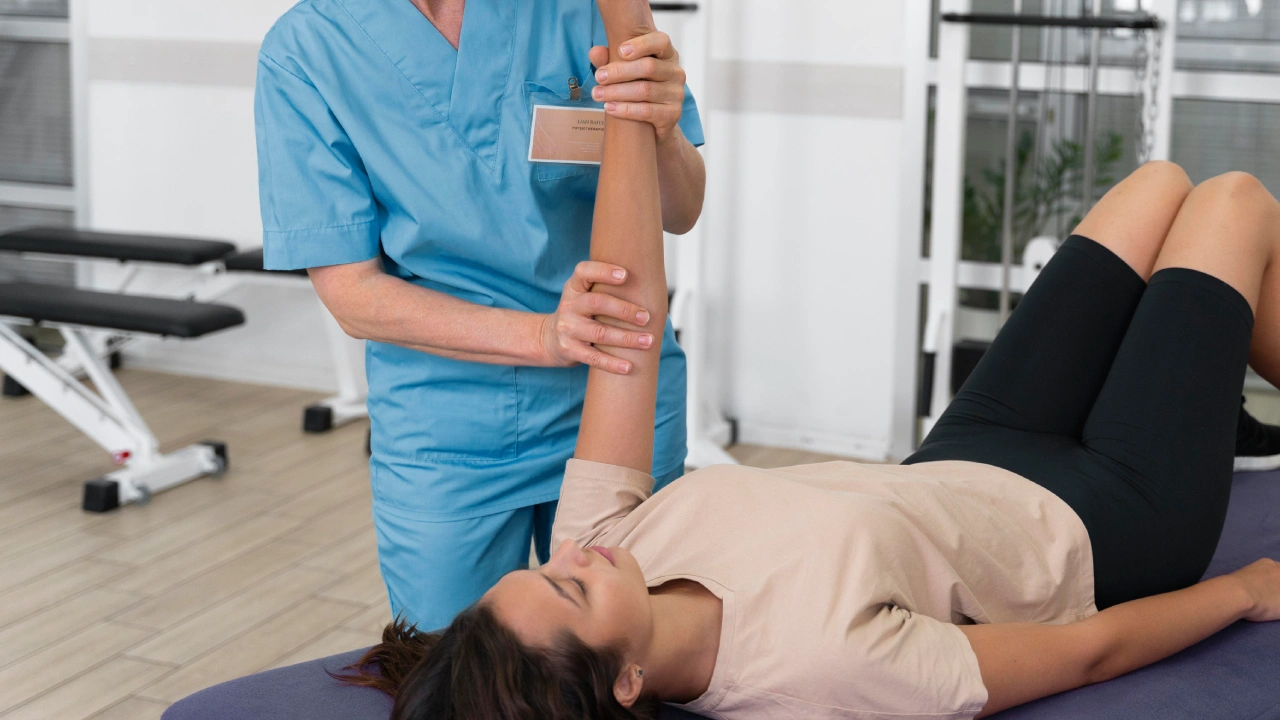
Many people begin standing and walking with assistance shortly after surgery. Over the following weeks and months, rehabilitation focuses on restoring mobility, rebuilding strength, and returning to normal activities safely.
Physiotherapy often includes:
- Walking practice
- Strength exercises
- Flexibility training
- Balance activities
- Stair practice
- Functional movement training
Regular attendance and consistent home exercises contribute significantly to progress.
The Role of Physiotherapy
Surgery addresses damaged joint surfaces, but rehabilitation helps restore movement and confidence.
Following joint replacement, physiotherapy supports recovery by helping patients:
- Improve walking patterns
- Increase muscle strength
- Restore flexibility
- Build balance
- Improve coordination
- Return to work and recreational activities safely
Each stage of rehabilitation focuses on achievable goals while gradually increasing activity levels.
Benefits Many People Notice
Although outcomes vary, many individuals report improvements such as the following:
- Greater ease while walking
- Improved joint movement
- Increased participation in daily activities
- Improved independence during household tasks
- Greater confidence with stairs
- Increased endurance throughout the day
It is important to remember that surgery does not create a brand-new joint. Ongoing exercise and healthy daily habits remain essential for maintaining function.
Possible Risks
Every surgical procedure carries potential risks.
These may include:
- Infection
- Blood clots
- Joint stiffness
- Implant wear over time
- Nerve injury
- Dislocation in certain joints
Discussing these possibilities with your orthopedic surgeon helps create realistic expectations before surgery.
How Long Does Recovery Take?
Recovery timelines differ for every individual.
Some people resume many normal daily activities within several weeks, while others continue improving for several months. Returning to demanding physical work or recreational sports may require additional time depending on medical advice and rehabilitation progress.
Patience and consistency remain important throughout the recovery process.
Is Surgery Always the Right Choice?
Not necessarily.
Many people continue living active lives without surgery through exercise, physiotherapy, weight management, and activity modification.
The decision should be based on:
- Your current symptoms
- Medical imaging
- Functional limitations
- Overall health
- Personal goals
- Recommendations from your healthcare providers
Taking time to understand every option allows you to choose the path that matches your circumstances.
8 Everyday Habits That Support Joint Replacement Recovery
- Complete your exercises consistently. Performing prescribed exercises every day helps restore movement and muscle strength.
- Walk several times each day. Short walks encourage mobility without placing excessive strain on the recovering joint.
- Maintain healthy nutrition. A balanced diet supports your body's natural recovery process.
- Stay hydrated. Drinking enough water supports overall body function during rehabilitation.
- Use proper posture. Sitting, standing, and walking with appropriate alignment helps reduce unnecessary stress on surrounding muscles.
- Get adequate sleep. Quality sleep allows your body to recover after daily activity.
- Follow movement precautions. Follow instructions provided by your surgeon and physiotherapist regarding safe movements during recovery.
- Attend every physiotherapy appointment. Regular assessments allow your rehabilitation programme to progress safely as your mobility improves.
Choosing Physiotherapy Support in Brantford
Recovering from surgery involves much more than simply waiting for time to pass. Guided rehabilitation helps restore movement, improve strength, and build confidence throughout each stage of recovery.
At Revive Physiotherapy and Wellness in Brantford, patients receive one-on-one physiotherapy focused on mobility, strength, balance, and returning to everyday activities. Whether you are preparing for surgery or continuing rehabilitation afterward, the clinic works with you through each phase of your recovery journey.
Frequently Asked Questions
1. How long does joint replacement last?
Modern implants often last 15 to 25 years or longer, depending on factors such as activity level, implant type, and overall health.
2. Is joint replacement suitable for every person with arthritis?
No. Many people continue managing arthritis through physiotherapy, exercise, and lifestyle changes. Surgery is considered when symptoms significantly affect daily life and conservative options are no longer enough.
3. When should physiotherapy begin after surgery?
Many patients begin supervised movement shortly after surgery, following the recommendations of their surgeon and physiotherapist.
4. Can I return to normal activities after surgery?
Many people gradually return to work, household tasks, walking, and recreational activities. Your timeline will depend on your procedure and rehabilitation progress.
5. Can physiotherapy help after joint replacement?
Yes. Physiotherapy helps restore mobility, strengthen muscles, improve walking patterns, increase balance, and support a gradual return to everyday activities.
Take the First Step
If you're exploring joint replacement or preparing for recovery after surgery, contact Revive Physiotherapy and Wellness in Brantford to schedule a physiotherapy assessment. A structured rehabilitation programme can help you return to everyday activities with greater confidence and improved mobility.