


What to Know About Accident Injury Treatment in Brantford
A motor vehicle accident can affect the body in several ways, even when there are no noticeable symptoms immediately after the collision. Sudden impact, rapid movement, and pressure on different body parts can affect the neck, back, shoulders, knees, muscles, joints, and soft tissues. While some people notice discomfort at the scene, others may develop stiffness, headaches, or movement difficulties hours or days later.
For residents of Brantford, knowing what to expect after a collision can help them decide when to seek medical assessment and physiotherapy care. Accident injury treatment may include physical assessment, therapeutic exercises, mobility activities, manual techniques, posture education, and a gradual return to everyday tasks.
Every collision and injury is different. The appropriate rehabilitation approach depends on the type of injury, the severity of symptoms, previous medical conditions, and the person's daily activity requirements. A physiotherapist can assess movement, strength, flexibility, balance, and functional limitations before establishing a rehabilitation plan.
At Revive Physiotherapy and Wellness in Brantford, individuals can discuss their post-accident concerns and explore physiotherapy options based on their physical condition and recovery needs.
What Does Post-Accident Physiotherapy Involve?
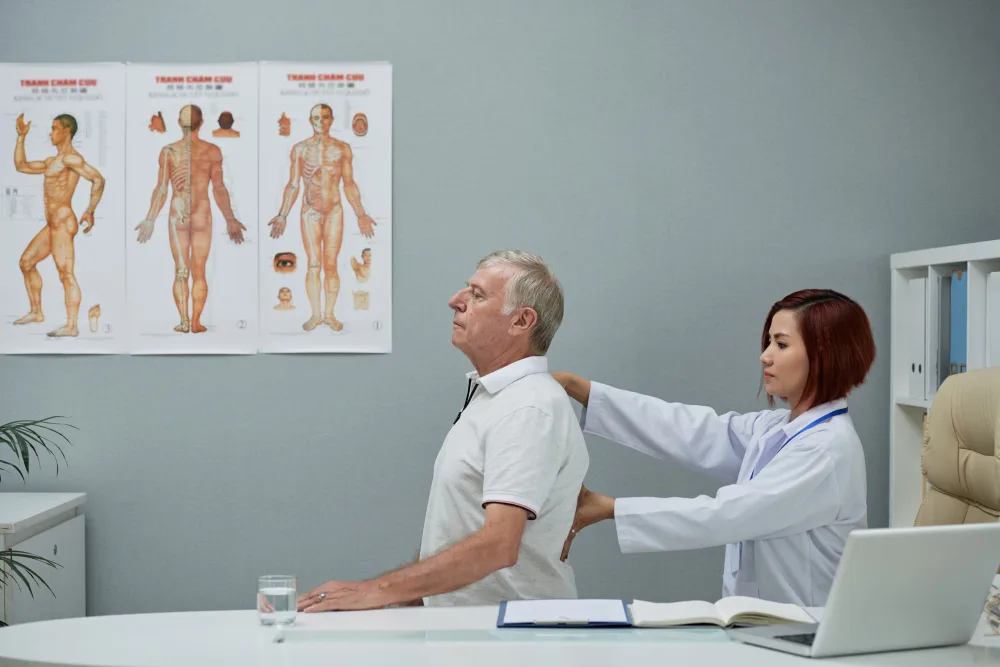
Physiotherapy following a motor vehicle collision begins with an assessment to identify physical limitations and determine how symptoms affect everyday activities. The assessment may include questions about the accident, the onset of symptoms, previous injuries, work responsibilities, and activities that have become difficult.
A physiotherapist may examine posture, joint movement, muscle strength, flexibility, balance, walking patterns, and functional mobility. These findings can help identify areas that may require attention during rehabilitation.
Depending on the assessment, accident injury treatment may include:
- Therapeutic exercises to improve strength and movement
- Gentle mobility activities to address stiffness
- Stretching exercises based on individual limitations
- Manual techniques when clinically appropriate
- Postural education and movement advice
- Balance and coordination activities
- Gradual strengthening exercises
- Activity modification for work and household tasks
- Functional exercises that reflect everyday movements
The rehabilitation plan may change as symptoms, movement, and activity tolerance change. Regular reassessment helps determine whether exercises or activity levels need adjustment.
6 Common Injuries That May Require Physiotherapy After a Collision
Motor vehicle accidents can affect different parts of the body. The nature of an injury often depends on the direction of impact, body positioning, seat belt use, and the forces involved in the collision.
1. Whiplash and Neck Strain
Whiplash frequently occurs in rear-end collisions, although it can happen in other types of accidents. The head may move rapidly forward and backward, placing stress on the muscles, ligaments, and other structures around the neck.
Common symptoms include:
- Neck stiffness and soreness
- Restricted head movement
- Muscle tension
- Headaches
- Shoulder discomfort
- Upper-back stiffness
- Difficulty turning the head while driving
Physiotherapy may include gentle neck movements, progressive strengthening, posture education, and appropriate manual techniques. Exercises should reflect the person's symptoms and movement capacity.
A physiotherapist can assess neck mobility and identify activities that may need temporary adjustment. If symptoms are severe or accompanied by neurological changes, medical assessment should take priority.
2. Back Injuries
The upper, middle, and lower back may be affected during a collision. Sudden movement can strain muscles and other soft tissues, while the position of the body during impact may contribute to stiffness and reduced mobility.
Back-related symptoms may become noticeable during prolonged sitting, standing, bending, lifting, walking, or getting in and out of a vehicle. Some people may also find it difficult to complete household chores or maintain their usual work routine.
Accident injury treatment for back-related concerns may involve mobility exercises, gradual strengthening, core control activities, and movement education. The aim is to support comfortable movement and help the individual resume daily activities at a manageable pace.
Exercise selection should depend on the assessment findings. Starting with simple movements and progressing gradually can help prevent unnecessary strain.
3. Shoulder Injuries
The shoulder can be affected when a person braces against the steering wheel, door, or another surface during a collision. Sudden movement of the upper body or direct impact can also contribute to shoulder injuries.
Possible symptoms include shoulder stiffness, reduced arm movement, muscle soreness, weakness, difficulty reaching overhead, and discomfort while carrying objects.
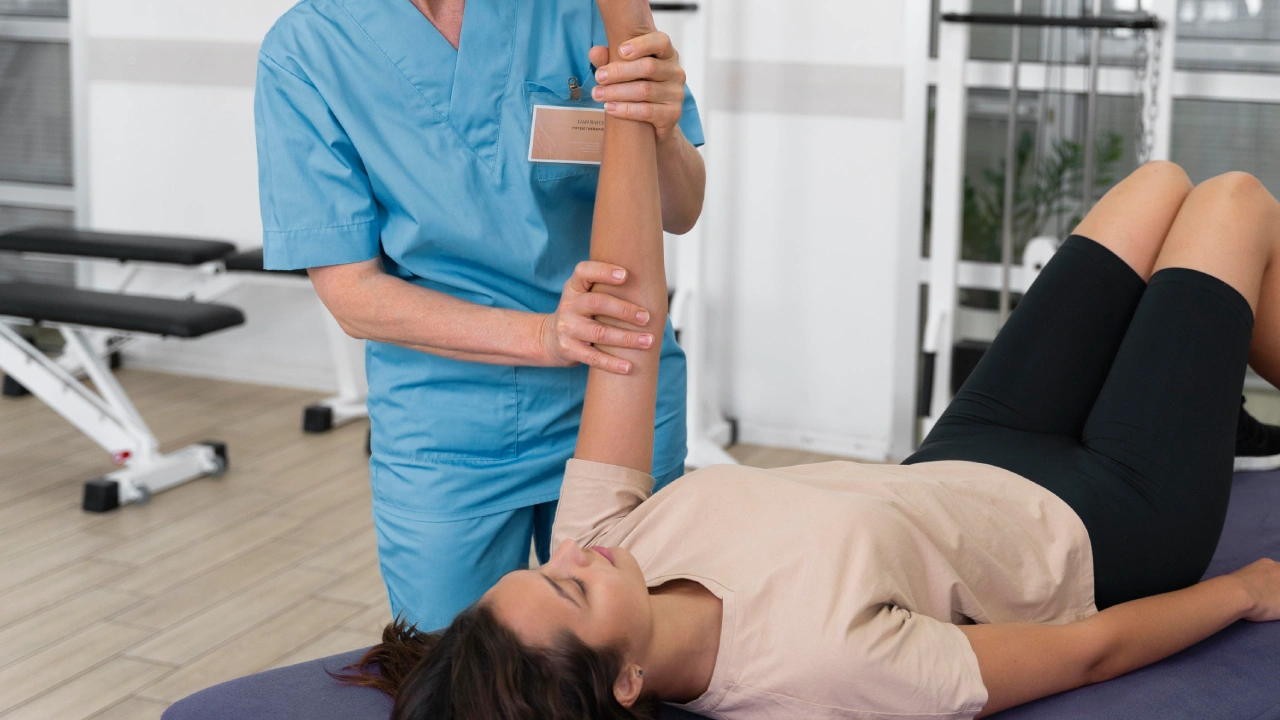
Physiotherapy may focus on shoulder mobility, strengthening the surrounding muscles, and improving coordination between the shoulder and upper back. Activities may be introduced gradually according to the person's movement capacity.
Significant swelling, visible deformity, severe weakness, or an inability to move the arm requires prompt medical assessment before starting an exercise program.
4. Knee Injuries
Knee injuries can occur when the knees strike the dashboard or when the legs twist suddenly during impact. Depending on the collision, the structures around the knee may become strained or injured.
Symptoms may include swelling, soreness, stiffness, difficulty bending the knee, reduced walking tolerance, and discomfort when climbing stairs or standing from a chair.
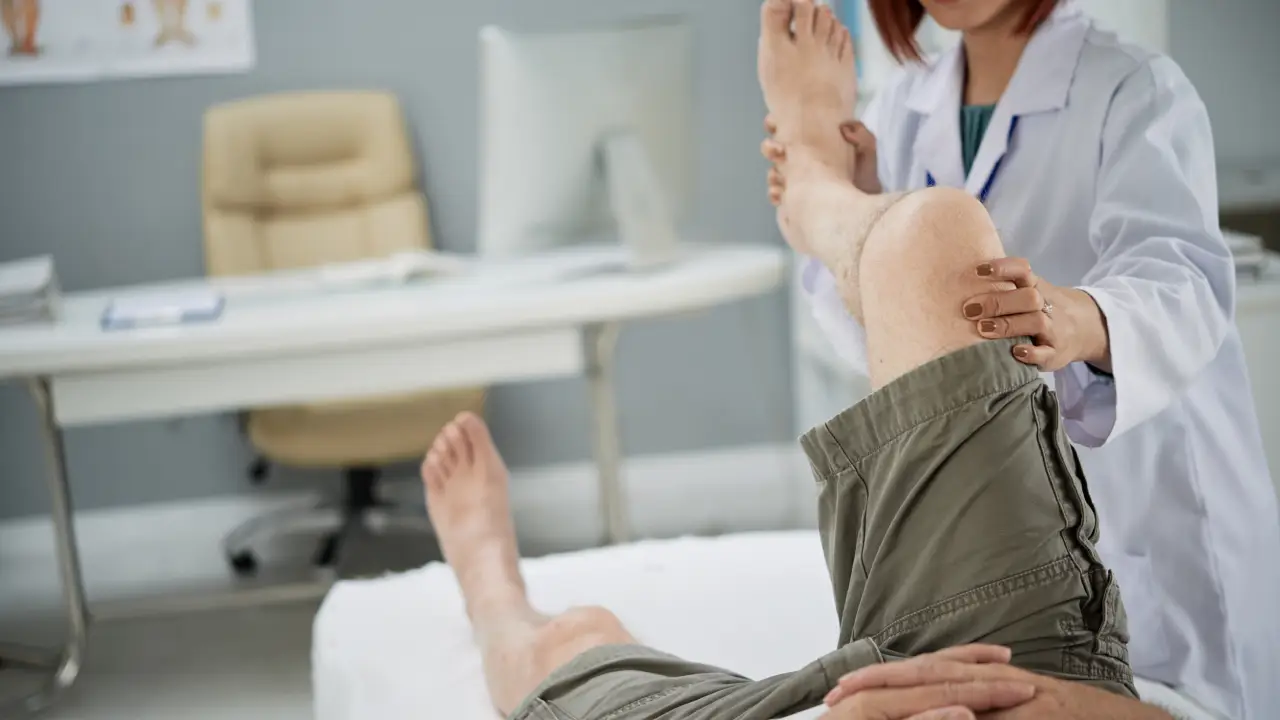
Physiotherapy may involve gentle mobility activities, strengthening exercises, balance training, walking assessment, and gradual progression toward everyday tasks.
A physiotherapist can examine how the knee functions during walking, standing, sitting, and other movements. If there is substantial swelling, an inability to bear weight, or severe pain, medical assessment is important.
5. Muscle, Ligament, and Soft-Tissue Injuries
Sudden forces during a collision may affect muscles, tendons, ligaments, and other soft tissues. These injuries can occur in several areas and may cause soreness, stiffness, swelling, or reduced movement.
Symptoms are not always immediately apparent. Some individuals notice discomfort as the initial stress of the accident subsides. Others may change their posture or movement patterns to avoid uncomfortable positions, which can place additional demands on surrounding muscles.
Physiotherapy may involve gentle movement, stretching, progressive strengthening, and functional exercises. The activities selected will depend on the affected tissues and the severity of the injury.
Gradual activity progression can help individuals work toward resuming daily routines while monitoring changes in symptoms.
6. Headaches and Related Musculoskeletal Symptoms
Headaches can develop after a collision for several reasons. Neck strain, muscle tension, and changes in posture may contribute, although headaches can also be associated with concussion or other injuries.
A physiotherapist may assess the neck, shoulders, upper back, posture, and movement patterns when musculoskeletal factors appear relevant.
Exercises and movement advice may be included when appropriate. However, a headache following an accident should not automatically be assumed to result from muscle tension.
Seek urgent medical attention for a severe or unusual headache, confusion, loss of consciousness, repeated vomiting, vision changes, weakness, seizures, or other concerning symptoms. These signs may indicate an injury requiring immediate medical evaluation.
Common Physiotherapy Approaches Following an Accident
Rehabilitation varies according to the affected body part, symptoms, and stage of recovery. Several approaches may be considered after an appropriate assessment.
Therapeutic Exercise
Exercise can help address reduced strength, restricted movement, coordination difficulties, and decreased physical capacity. Early activities may involve gentle movements, followed by progressive strengthening as appropriate.
Exercises may target the neck, shoulders, back, core muscles, hips, knees, or other affected areas. The intensity should reflect the person's current abilities and response to activity.
Manual Therapy
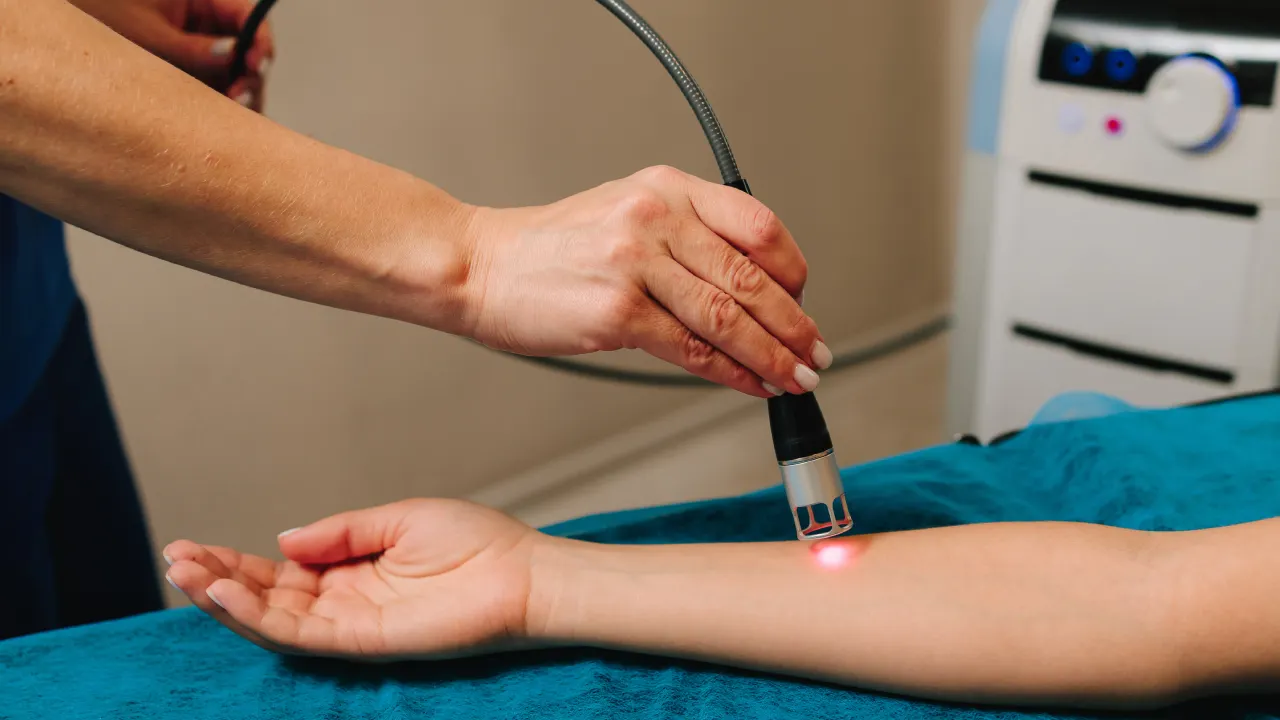
Manual therapy involves hands-on techniques directed at joints, muscles, or soft tissues. A physiotherapist may include these techniques when appropriate to the injury and clinical findings.
Manual techniques are generally combined with active movement and exercise where suitable. The rehabilitation plan should focus on practical improvements in movement and everyday function rather than relying on hands-on care alone.
Mobility and Flexibility Activities
Stiffness may develop when people reduce their activity levels after a collision. Appropriate mobility exercises can help maintain or gradually restore movement in affected areas.
Depending on the assessment, a physiotherapist may recommend gentle neck movements, shoulder exercises, spinal mobility activities, or lower-body movements.
Progressive Strengthening
Inactivity after an accident may contribute to reduced muscle strength and endurance. Once appropriate, strengthening exercises can help rebuild physical capacity.
A program may begin with simple movements and progress according to symptoms, movement quality, and daily activity requirements. Exercises should be adjusted if they cause significant or worsening symptoms.
Functional Rehabilitation
Accident injury treatment may also focus on activities that people need to complete at home, at work, or in the community.
Functional rehabilitation may address walking, sitting at a desk, driving, lifting, bending, climbing stairs, household chores, and recreational activities. Practicing suitable movements can help individuals prepare for a gradual return to their routines.
When Should You Seek Care After a Motor Vehicle Accident?
Medical assessment is important when symptoms are significant, persistent, worsening, or associated with concerning signs. Serious injuries may not always be obvious immediately after a collision.
Seek emergency care for symptoms such as difficulty breathing, severe bleeding, confusion, loss of consciousness, new weakness, or suspected serious head, neck, or spinal injuries. Avoid unnecessary movement if a serious spinal injury is suspected.
For less urgent musculoskeletal symptoms, a healthcare professional can assess the condition and advise whether physiotherapy is appropriate. Stiffness, restricted movement, muscle weakness, and difficulty completing everyday activities may warrant further evaluation.
Monitor symptoms during the hours and days following the collision. If new symptoms develop or existing symptoms worsen, arrange medical assessment rather than assuming they are part of normal recovery.
How Long Can Post-Accident Rehabilitation Take?
Recovery time differs from person to person. Factors may include the type and severity of the injury, previous injuries, general physical condition, sleep, activity levels, and the demands of work and household responsibilities.
Some minor strains may improve over a relatively short period, while more significant injuries may require an extended rehabilitation period. There is no fixed timeline that applies to everyone.
Progress may be assessed through changes in strength, mobility, walking tolerance, daily activity levels, and the ability to complete work-related tasks. A physiotherapist can adjust the rehabilitation program as these factors change.
It is also important to avoid comparing recovery timelines with those of other people. Even individuals involved in the same collision may have different injuries, symptoms, and rehabilitation requirements.
Why Consider Physiotherapy in Brantford After a Collision?
For people living or working in Brantford, attending a local physiotherapy clinic may make it easier to fit appointments around work, family commitments, and daily responsibilities.
Revive Physiotherapy and Wellness can assess accident-related musculoskeletal concerns and discuss physiotherapy options based on the individual's symptoms and functional limitations. Care may include movement assessment, therapeutic exercise, mobility activities, strengthening, and functional rehabilitation when appropriate.
Keeping track of symptoms and following the recommended home exercise program may also support progress between appointments. Individuals should communicate any new symptoms or significant changes in their condition to their healthcare provider.
Practical Steps to Take After a Motor Vehicle Accident
Following a collision, consider these steps:
- Contact emergency services if there are serious or potentially life-threatening symptoms.
- Arrange medical assessment when symptoms are significant or concerning.
- Monitor changes in pain, stiffness, movement, and other symptoms.
- Avoid activities that cause a substantial worsening of symptoms.
- Ask a healthcare professional whether physiotherapy is appropriate.
- Follow the rehabilitation plan recommended by your treating provider.
- Return to regular activities gradually, according to your condition and medical advice.
Keeping records of medical appointments, physiotherapy visits, symptoms, work restrictions, and related expenses may also be useful when managing an accident-related insurance claim.
5 Frequently Asked Questions
1. When should I start physiotherapy after a motor vehicle accident?
The appropriate timing depends on the injury, symptoms, and medical findings. Some individuals may begin physiotherapy soon after an assessment, while others may require additional investigation or medical care first. A healthcare professional can advise when physiotherapy is suitable.
2. Can physiotherapy help with whiplash?
Physiotherapy may help address restricted neck movement, stiffness, reduced muscle strength, and difficulties with everyday activities associated with whiplash. The approach depends on the person's symptoms and assessment results.
3. Can I seek physiotherapy if symptoms appear several days after the collision?
Yes. Symptoms can develop hours or days after an accident. New, persistent, worsening, or concerning symptoms should be assessed by a healthcare professional. Once appropriate medical care has been established, a physiotherapist can assess musculoskeletal limitations.
4. How many physiotherapy appointments might I need?
The number of appointments varies according to the injury, physical limitations, progress, and daily activity requirements. Your physiotherapist can review your progress and discuss an appropriate appointment schedule.
5. Can I continue working while receiving physiotherapy?
Some people continue working during rehabilitation, while others may need temporary changes to their duties or working hours. The decision depends on the injury and job requirements. Discuss work-related limitations with your healthcare provider.
Choosing a Physiotherapy Clinic in Brantford
When selecting a clinic after a collision, consider whether the physiotherapy team can assess your symptoms, explain the rehabilitation process, and provide exercises and movement strategies that reflect your condition.
During your initial appointment, discuss the circumstances of the accident, your current symptoms, previous injuries, work responsibilities, and activities that have become difficult. Sharing this information can help the physiotherapist assess your functional needs.
Revive Physiotherapy and Wellness in Brantford can discuss post-accident physiotherapy options with individuals experiencing movement limitations or musculoskeletal symptoms following a collision.
Take the Next Step
A motor vehicle collision can lead to neck stiffness, back discomfort, shoulder problems, muscle weakness, and difficulties with everyday activities. Accident injury treatment can form part of a rehabilitation plan when physiotherapy is appropriate for the injuries sustained.
If you are in Brantford and experiencing physical difficulties after a collision, contact Revive Physiotherapy and Wellness to discuss your symptoms and arrange an assessment. A physiotherapist can evaluate your movement and help establish a rehabilitation plan based on your condition, functional needs, and healthcare recommendations.
Phone: +1 519-304-2311
Address: 30 Brant Ave Unit A, Brantford, ON N3T 3G6, Canada