

When Lingering Discomfort Starts Affecting Everyday Movement and Signals a Deeper Issue
Lingering aches, stiffness that keeps returning, or discomfort that shows up every time you move a certain way can feel frustrating and hard to ignore. Many people in Brantford start searching for answers when everyday activities like walking, bending, or lifting become restricted. In these situations, Laser Treatment Therapy is often considered a non-invasive option that may support tissue healing and improve movement comfort when symptoms persist after strain or injury.
When the body keeps sending the same signals, such as tightness, soreness, or reduced Mobility, it usually means something deeper is going on beneath the surface. Recognizing those signals early can help guide the next steps before the issue becomes more limiting.
What Laser Treatment Therapy Involves
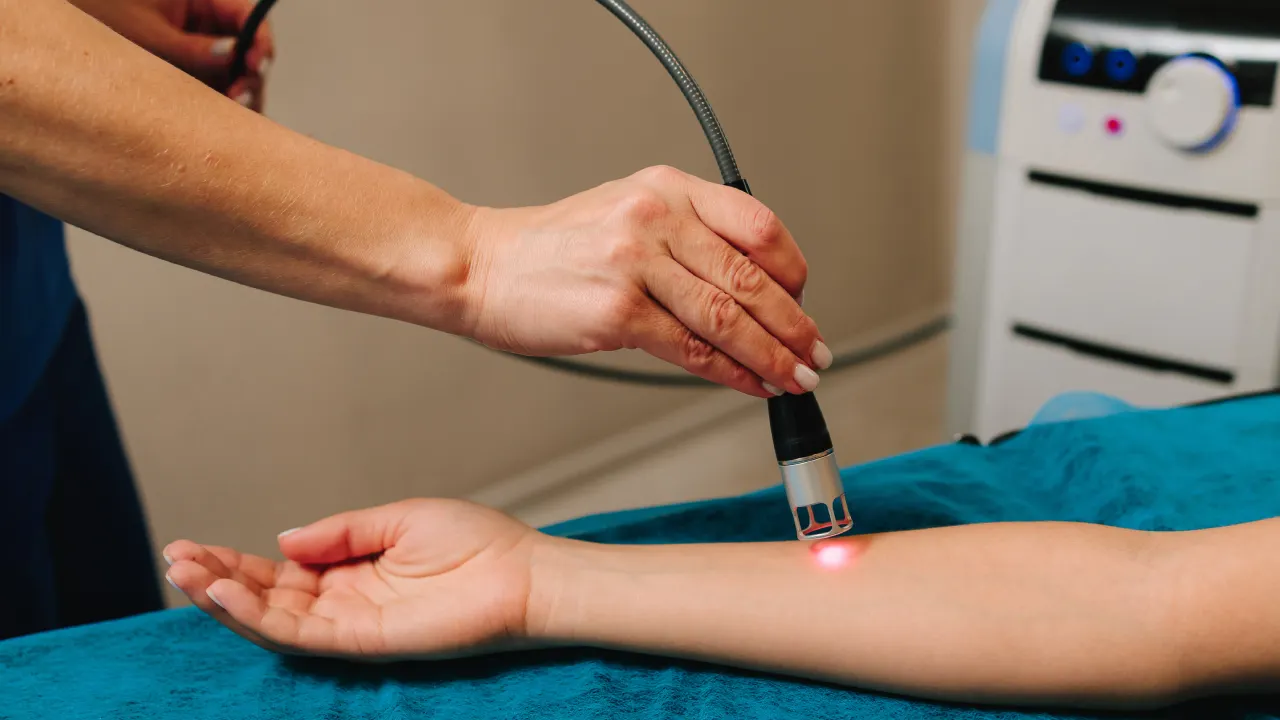
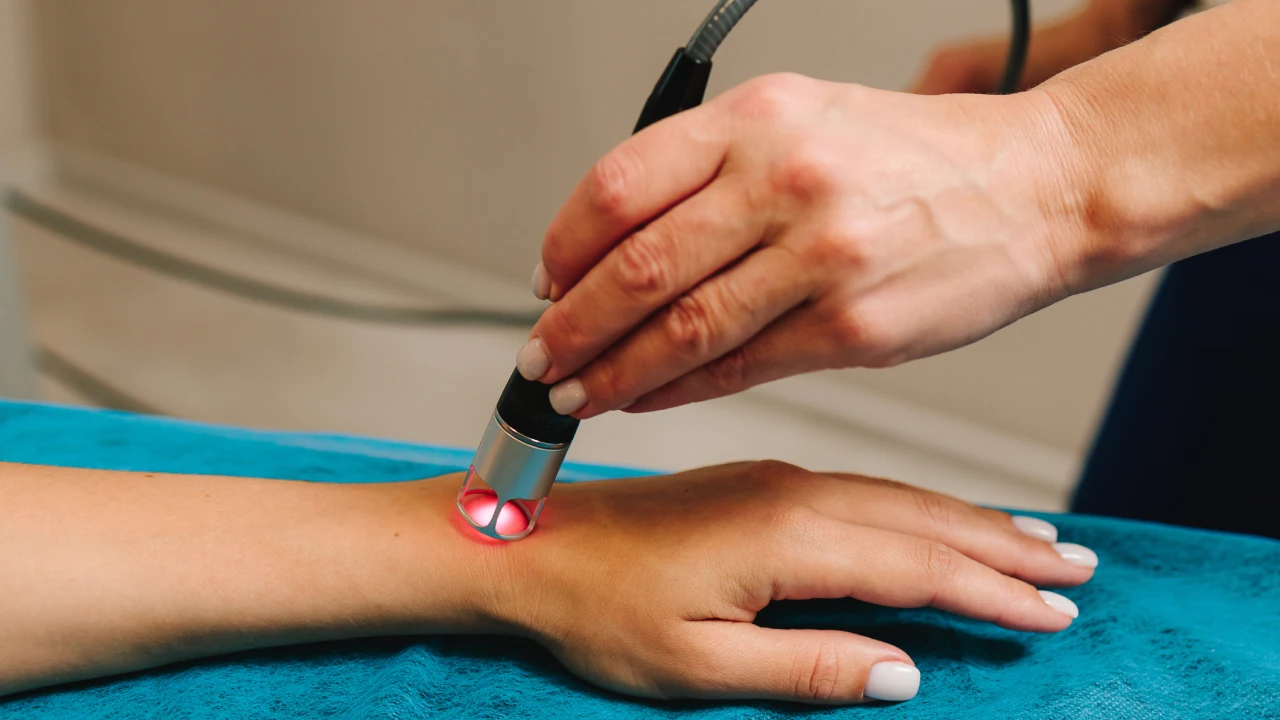
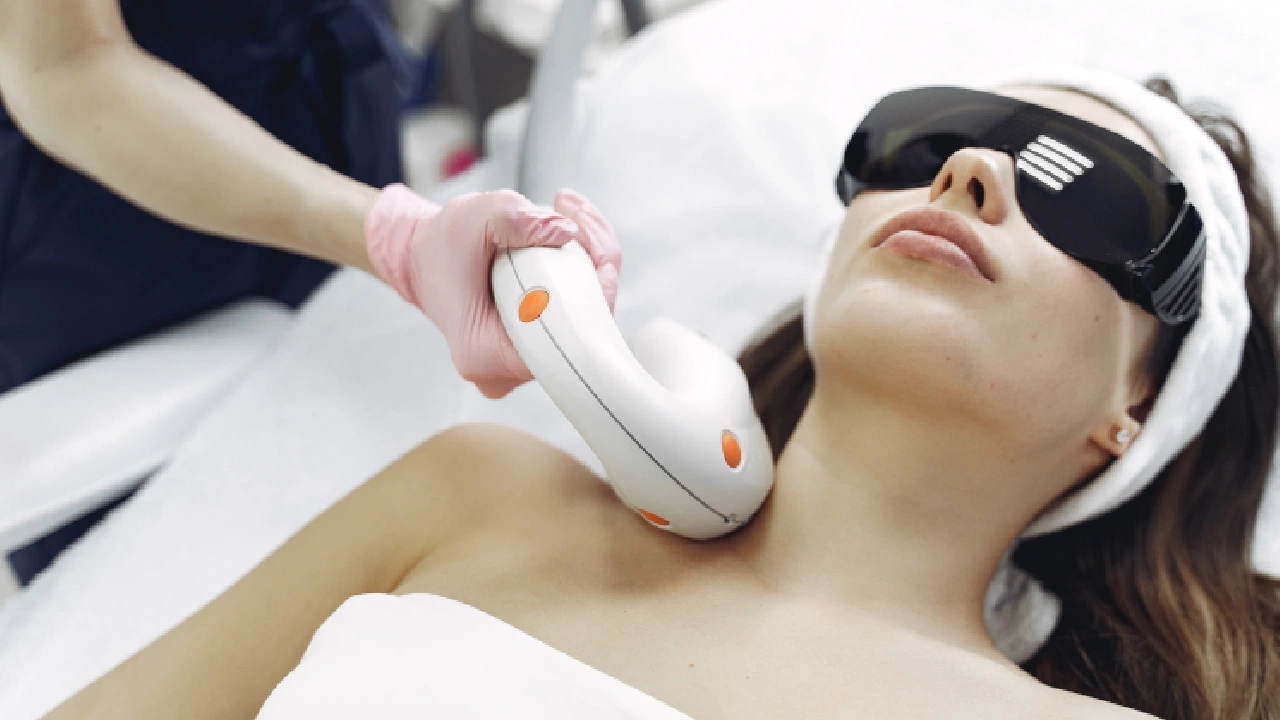
In physiotherapy settings, Laser Treatment Therapy uses focused light energy applied over affected soft tissue areas. The goal is to interact with cellular activity in the targeted region.
This process is non-invasive and does not involve cuts or invasive procedures. Instead, the light energy is directed to muscles, tendons, or joints to support the body’s natural tissue response.
During a session, the area is exposed to controlled light for a short duration. Many individuals describe it as a simple, comfortable process that fits into a broader recovery plan involving movement and rehabilitation strategies.
Why Discomfort Can Persist or Return After Injury
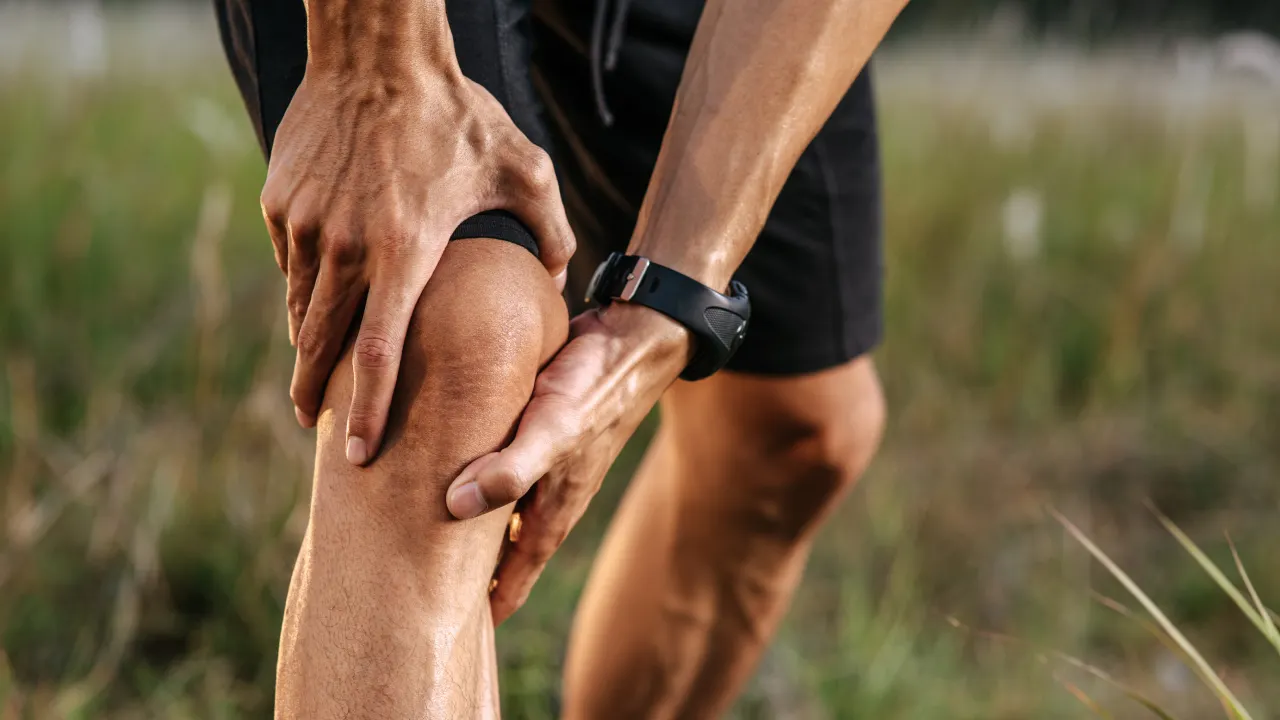
Pain or stiffness doesn’t always disappear after the initial injury heals. In many cases, it returns or lingers due to underlying movement or recovery factors such as:
- Incomplete tissue recovery after strain or overload
- Repeated stress from daily work or sports activity
- Delayed attention to early discomfort signals
- Movement compensation patterns that overload other areas
- Reduced Mobility leading to stiffness buildup over time

These patterns are common among people seeking laser treatment therapy for pain management, especially when symptoms interfere with routine tasks.
9 Warning Signs You May Need Laser Treatment Therapy
Recognizing early changes in how your body moves or feels can help you take action sooner.
9. Ongoing stiffness in muscles or joints
Tightness that returns even after rest may signal deeper tissue irritation.
8. Pain that lingers after physical activity
Discomfort that stays longer than expected after walking, lifting, or exercise.
7. Reduced range of motion
Difficulty bending, stretching, or rotating a joint as freely as before.
6. Recurring soreness in the same area
Pain that keeps coming back in a specific muscle or joint region.
5. Swelling after minor movement or strain
Mild activity triggers noticeable puffiness or sensitivity.
4. Weakness during normal tasks
Struggling with stairs, lifting objects, or maintaining Posture.
3. Sharp discomfort during certain movements
Sudden pain when reaching, twisting, or changing positions.
2. Slower recovery after strain or injury
Muscles or joints are taking longer than usual to settle down.
1. Persistent tightness despite rest
Stiffness that does not ease even after reduced activity.
These symptoms are often linked to cases where laser therapy for joint discomfort or soft tissue support is considered as part of a recovery plan.
How Physiotherapy Approaches Laser Treatment Therapy
Physiotherapy integrates Laser Treatment Therapy into a broader movement-focused plan rather than relying on a single method.
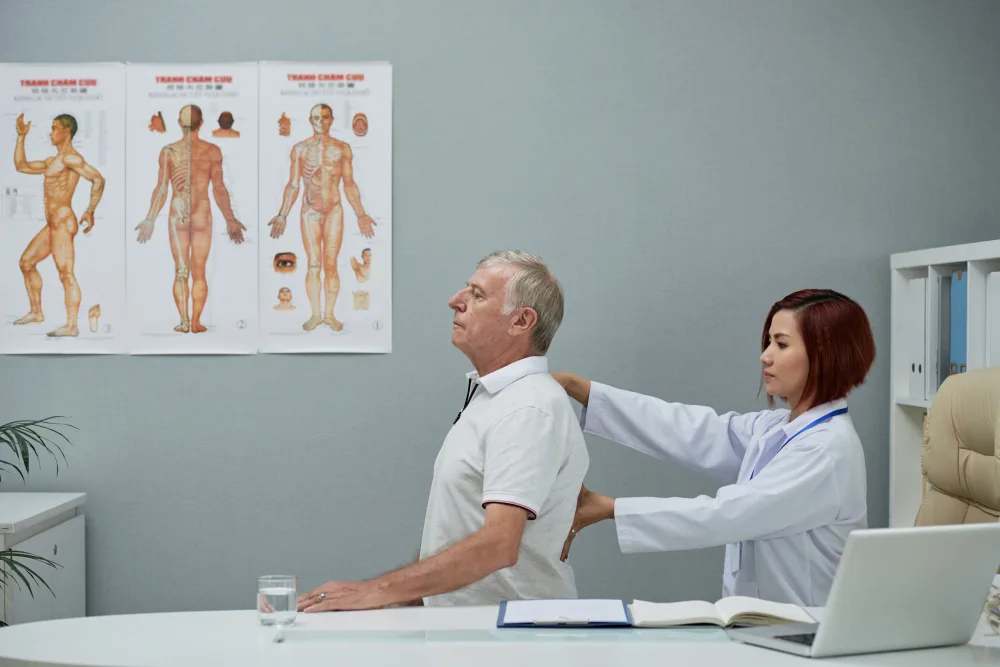
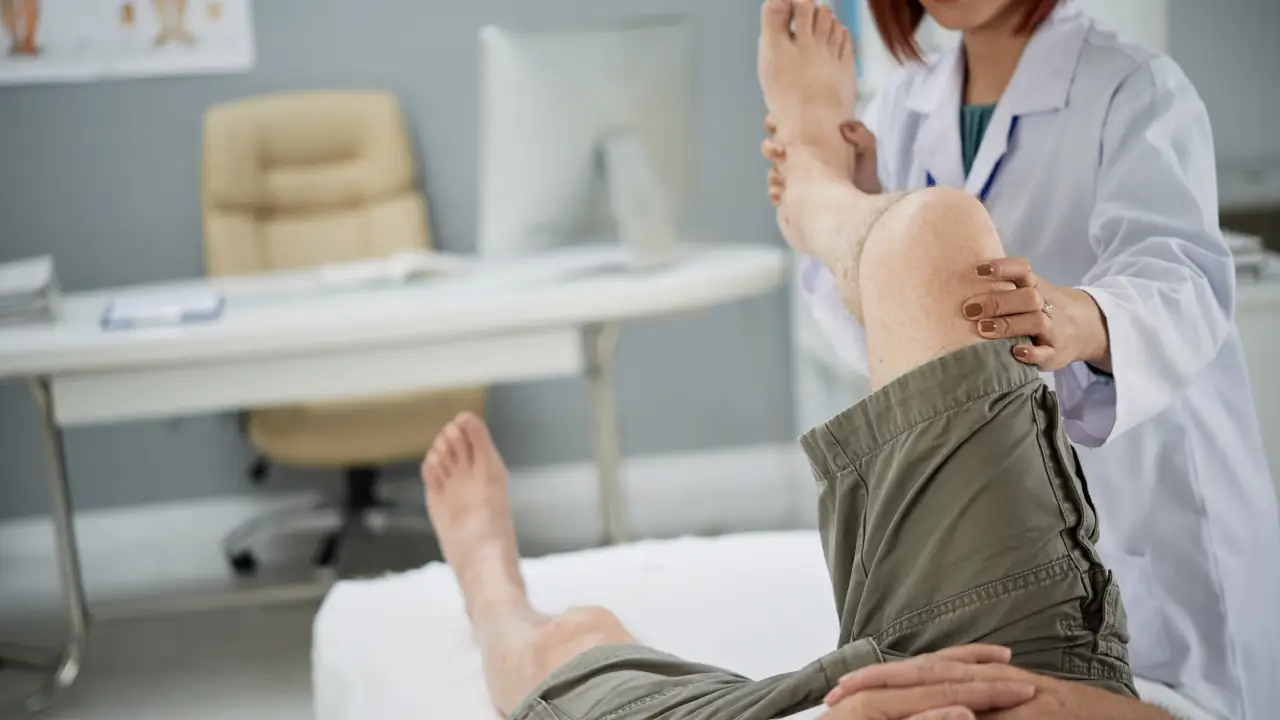
- Initial movement and condition review
Assessment of Mobility, strength, and symptom patterns to identify contributing factors. - Movement-based exercise planning
Guided exercises aimed at restoring normal movement patterns and reducing strain. - Mobility and strength support work
Targeted routines that help improve joint function and muscle coordination. - Non-invasive support methods alongside recovery planning
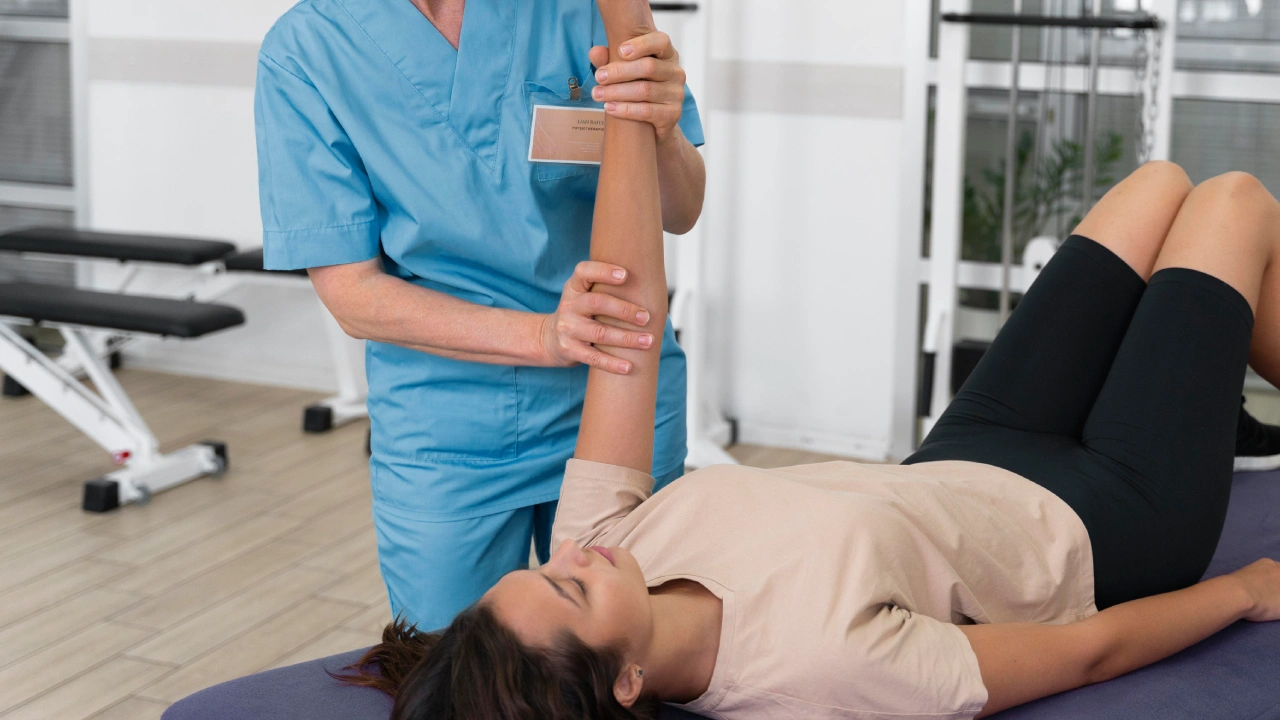
Laser application may be combined with stretching, strengthening, and manual techniques depending on individual needs.
This combined approach is often used for laser therapy recovery for soft tissue injury, especially when symptoms affect daily movement.
Mistakes That Can Make Long-Term Discomfort Worse
Certain habits can slow recovery or make symptoms return more frequently:
- Ignoring early warning signals like stiffness or mild pain
- Stopping movement completely for extended periods
- Guessing the cause without proper assessment
- Returning to intense activity too quickly after discomfort fades
- Relying only on rest without active recovery strategies
Avoiding these patterns can help reduce repeated flare-ups and support more stable progress.
Local Context in Brantford
In Brantford, daily routines often involve long hours of sitting, repetitive physical tasks, or participation in active sports. Office work, warehouse roles, and recreational athletics can all place repeated stress on muscles and joints.
Cold-season conditions can also contribute to stiffness, making movement feel tighter. Over time, these factors may increase the likelihood of recurring discomfort or restricted Mobility.
This is where laser treatment for muscle stiffness is often considered alongside movement-focused care to address ongoing strain patterns.
Conditions Often Associated With These Warning Signs
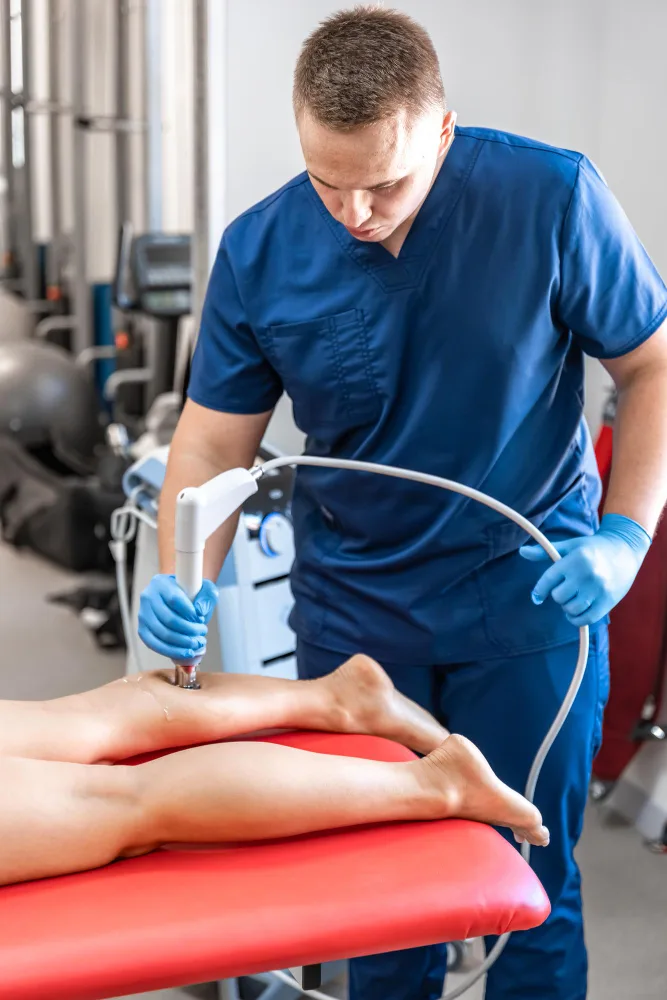
- Muscle strain and overuse injuries
- Joint irritation and inflammation
- Ligament or tendon stress
- Post-sport or workout injuries
- Repetitive strain from work or Posture
Moving Forward
When discomfort continues to interfere with movement, it may be time to look more closely at what the body is signalling. Early attention can help reduce long-term limitations and support smoother daily function.
At Revive Physiotherapy and Wellness, located at 353 St Paul Ave, Suite 106 B, Brantford, ON N3R 4N3, Canada, individuals can access movement-focused care that may include Laser Treatment Therapy as part of a broader recovery plan.
If symptoms like stiffness, joint discomfort, or recurring strain are affecting daily life, consider booking an appointment to discuss next steps and appropriate care options.