

Why More Clinics Are Using Laser Therapy for Soft Tissue Care
Laser Therapy has become an increasingly common tool in physiotherapy clinics, yet many people still have questions about what it does and how it influences soft tissue. At Revive Physiotherapy and Wellness in Brantford, this technology is often used as part of structured care plans for muscle, tendon, ligament, and joint-related concerns.
This article explores nine lesser-known ways Laser Therapy can influence soft tissue health, the types of conditions it may support, and how physiotherapy integrates this approach into broader rehabilitation strategies.
What Is Laser Therapy in Physiotherapy?
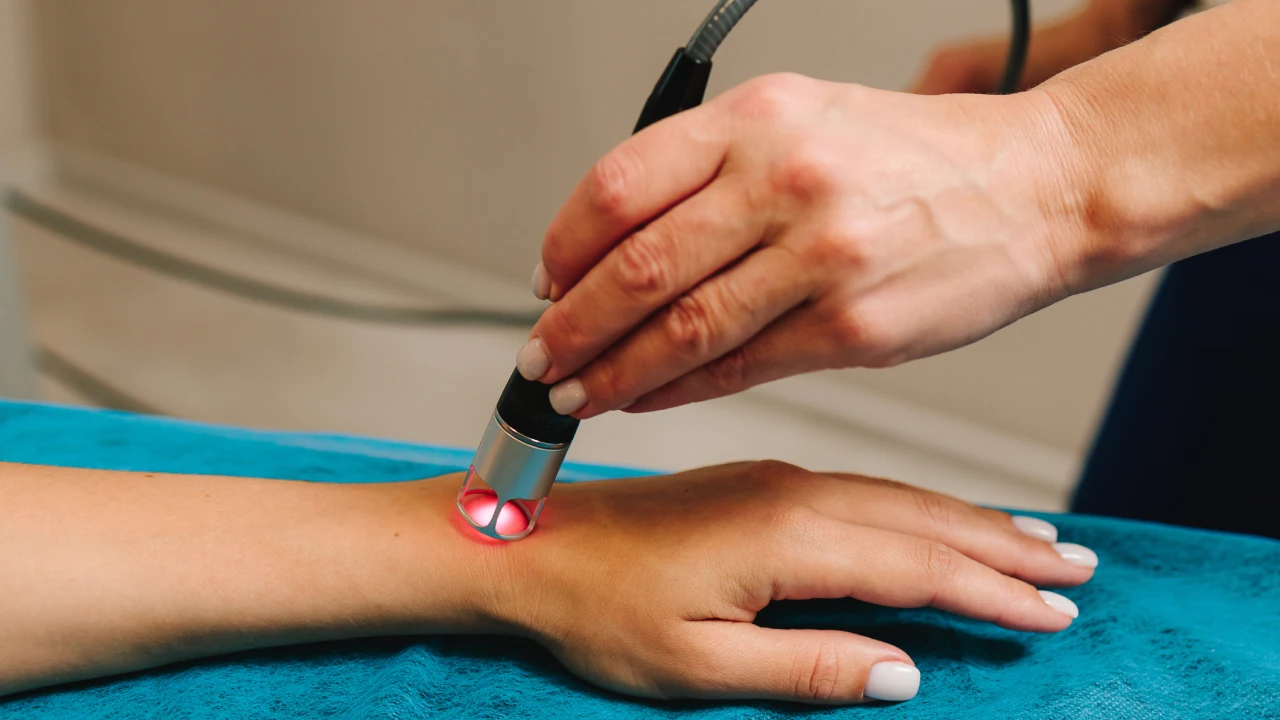
Laser Therapy uses specific wavelengths of light to target specific areas of the body. The light energy penetrates the skin and interacts with cells beneath the surface. This interaction can influence cellular activity, circulation, and tissue responses that are relevant to rehabilitation.
It is non-invasive, does not involve needles or incisions, and sessions are usually brief. Laser Therapy is often combined with exercise therapy, manual techniques, and movement retraining.
1. Encourages Cellular Energy Production
Soft tissue repair relies on cellular activity. Laser Therapy can stimulate mitochondria—the energy centers within cells—helping them produce more adenosine triphosphate (ATP). ATP fuels many biological processes related to tissue repair.
When cells have access to more energy, they may be better equipped to carry out repair and maintenance functions after strain or injury.
2. Supports Circulation in Treated Areas
Healthy blood flow delivers oxygen and nutrients while carrying away waste products. Laser Therapy may help encourage local circulation by influencing blood vessel activity.
For soft tissues such as muscles and tendons, improved circulation can create a more supportive environment for recovery and ongoing tissue health.
3. Influences Inflammatory Responses
Inflammation is part of the body’s natural reaction to injury, but when it lingers, it can interfere with movement and comfort. Laser Therapy may influence chemical mediators associated with inflammation.
This effect can be useful in both acute injuries and long-standing conditions where inflammation contributes to stiffness or limited function.
4. May Assist Collagen Production
Collagen is a primary building block of tendons, ligaments, and other connective tissues. Laser Therapy has been shown in research settings to influence fibroblast activity, the cells responsible for producing collagen.
Healthy collagen formation plays a role in tissue resilience and structure, particularly after strains or repetitive stress.
5. Helps With Nerve Sensitivity
Soft tissue injuries often involve changes in how nerves communicate signals. Laser Therapy may influence nerve conduction and sensitivity.
This can be helpful for individuals experiencing discomfort that appears out of proportion to tissue damage or that persists longer than expected.
6. Encourages Faster Tissue Turnover
Soft tissues are constantly renewing themselves. Laser Therapy may encourage cellular turnover by supporting metabolic activity.
This process can be useful in addressing micro-damage caused by repetitive movements, posture-related strain, or athletic demands.
7. Assists Muscle Relaxation
Tight or guarded muscles are common after injury. Laser Therapy may influence muscle spindle activity and circulation, thereby encouraging relaxation.
When muscle tone normalizes, it can be easier to perform stretching, strengthening, and movement exercises effectively.
8. Supports Scar Tissue Remodelling
After surgery or a significant injury, scar tissue formation is part of the healing process. However, excessive or poorly organized scar tissue can limit mobility.
This treatment may help align collagen during tissue remodelling, contributing to more flexible, functional tissue over time.
9. Enhances Response to Other Physiotherapy Techniques
Laser Therapy is rarely used on its own. It is commonly paired with manual therapy, therapeutic exercise, and education.
By preparing tissues at a cellular level, this treatment may allow patients to tolerate hands-on treatment or exercise more comfortably and with greater efficiency.
Conditions Where Laser Therapy Is Often Considered
Laser Therapy may be included in care plans for a range of soft tissue conditions, such as:
- Muscle strains and overuse injuries
- Tendon concerns like Achilles or rotator cuff irritation
- Ligament sprains
- Plantar fascia irritation
- Post-surgical soft tissue recovery
- Chronic muscle tension
- Joint capsule restrictions
At Revive Physiotherapy and Wellness in Brantford, a thorough assessment determines whether this treatment fits into an individual’s rehabilitation plan.
Signs Laser Therapy May Be Discussed
Laser Therapy may be considered when:
- Soft-tissue irritation has not resolved with rest alone.
- Movement is limited by stiffness or discomfort.
- There is sensitivity around a healing area.
- Progress feels slower than expected.
It is not appropriate for every situation, and your physiotherapist will review medical history, goals, and physical findings before recommending it.
Prevention and Long-Term Tissue Health
Soft tissue issues often develop gradually due to repetitive tasks, Posture habits, or training errors. Physiotherapy focuses not only on addressing current symptoms but also on reducing future risk.
Prevention strategies may include:
- Movement pattern correction
- Strength and Mobility programs
- Ergonomic advice for work or home setups
- Gradual return-to-activity planning
Laser Therapy can play a supportive role, but long-term tissue health depends heavily on active participation in exercise and movement strategies.
What to Expect During a Laser Therapy Session
A session usually involves:
- Skin exposure over the treatment area
- A handheld device placed against or slightly above the skin
- Minimal sensation, often described as mild warmth.
Sessions typically last only a few minutes per area. Many people incorporate Laser Therapy into regular physiotherapy visits.
Choosing Physiotherapy in Brantford
Accessing physiotherapy care early can make a meaningful difference in addressing soft tissue concerns. At Revive Physiotherapy and Wellness, clinicians assess movement patterns, strength, flexibility, and functional goals to build structured care plans.
Laser Therapy may be included when appropriate, alongside exercise-based and hands-on approaches.
Moving Forward
Laser Therapy offers several interesting ways to influence soft tissue at the cellular and structural levels. When used as part of a well-planned physiotherapy program, it can support tissue health, movement restoration, and functional progress.
If you are dealing with muscle, tendon, or ligament concerns and would like to learn whether Laser Therapy may fit into your care plan, consider contacting Revive Physiotherapy and Wellness in Brantford to book an assessment. A physiotherapist can discuss your symptoms, goals, and available options to help you move forward with Confidence.