

Impact of Joint Stiffness on Daily Life
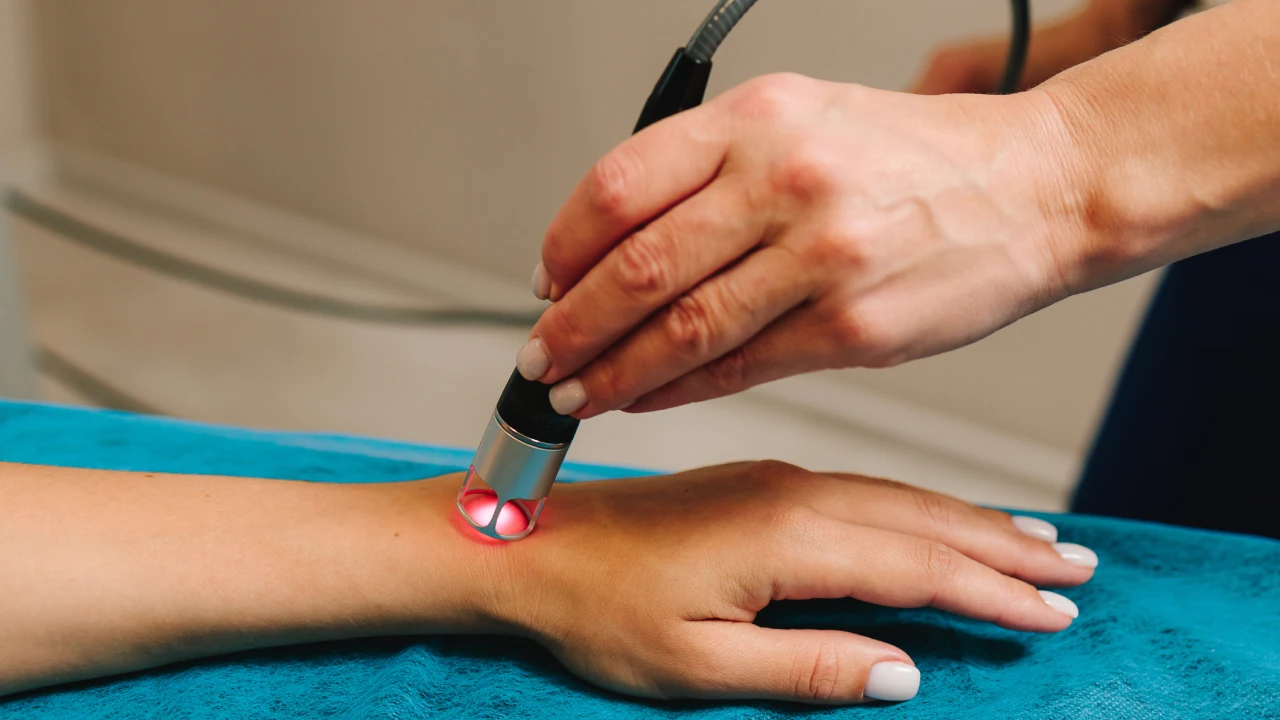
Joint stiffness can affect everyday activities such as walking, climbing stairs, or even getting out of a chair. Many adults notice that discomfort increases with age, repetitive movement, or reduced physical activity. When joints become stiff, movement may feel limited and uncomfortable, making daily routines more challenging. For many individuals, Joint Pain Therapy can play an important role in restoring comfortable movement and supporting joint function.
People in Brantford frequently seek physiotherapy care when stiffness begins to interfere with work, recreation, or household tasks. Early attention to joint discomfort can help prevent further mobility limitations. With the right plan, Joint Pain Therapy may help reduce stiffness and support healthier movement patterns.
Common Causes of Joint Stiffness in Brantford Adults
Joint discomfort rarely arises from a single cause. Often, several factors influence how joints feel and move. Identifying these factors helps determine the most appropriate type of Joint Pain Therapy.
Common contributors include:
- Age-related joint changes that affect cartilage and mobility
- Sedentary habits that reduce joint flexibility
- Repetitive strain from work or sports
- Previous injuries that alter joint movement patterns
- Inflammatory conditions affecting connective tissues
Common weather fluctuations in Brantford may also make stiffness more noticeable for some people, particularly during colder months.
Signs That Joint Stiffness Needs Attention
Certain symptoms suggest it may be time to explore Joint Pain Therapy:
- Morning stiffness lasting more than 30 minutes
- Reduced range of motion
- Discomfort during everyday movement
- Swelling around a joint
- Clicking or grinding sensations
If these symptoms continue for several weeks, an assessment with a physiotherapist may help identify contributing factors.
9 Techniques That May Reduce Joint Stiffness Naturally
A structured program often includes multiple strategies that support joint mobility and muscular balance. Many physiotherapy clinics integrate the following methods within Joint Pain Therapy programs.
1. Guided Mobility Exercises
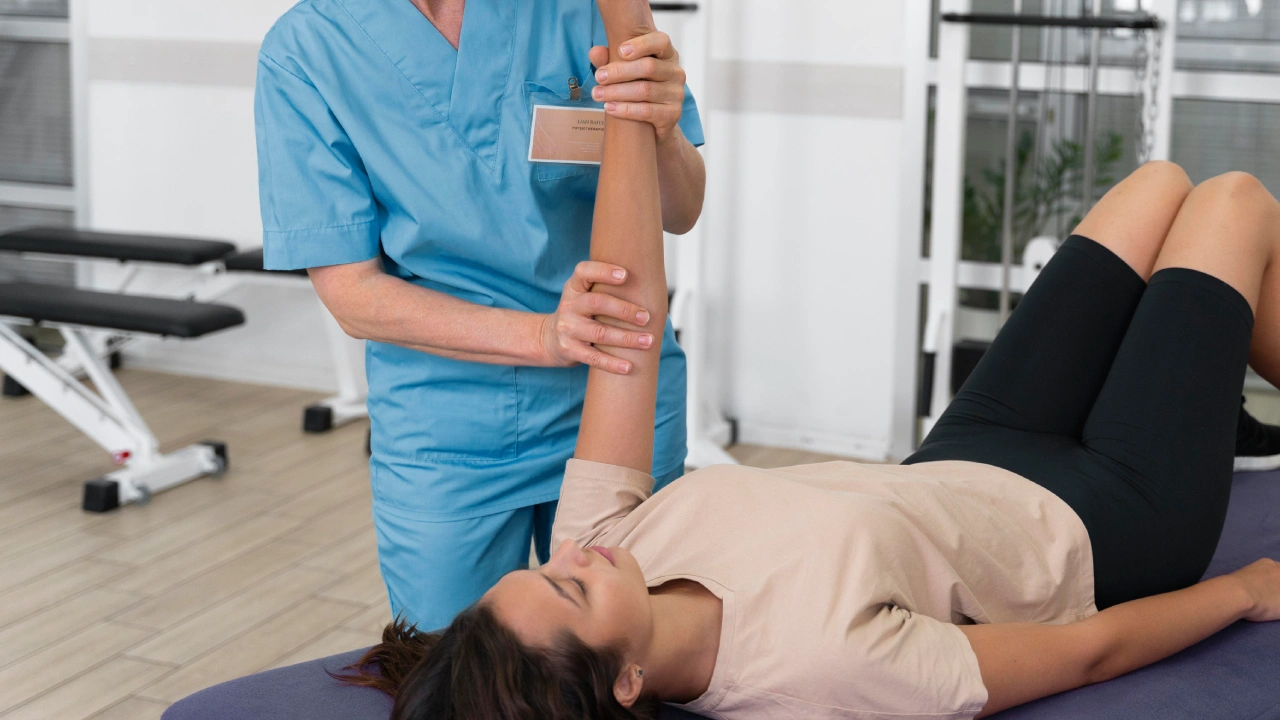
Controlled movement helps maintain joint range and flexibility. Regular gentle routines can help keep joints from becoming overly stiff.
2. Manual Therapy
Hands-on techniques may help improve joint movement and reduce surrounding muscle tension. In many cases, Joint Pain Therapy sessions include manual techniques combined with movement training.
3. Targeted Strength Training
Muscles surrounding the joints act as stabilizers. Strengthening these muscles can reduce stress placed on the joint during activity.
4. Stretching Programs
Structured stretching helps maintain muscle length and joint mobility. A Joint Pain Therapy routine may include stretches targeting the hips, knees, shoulders, and lower back.
5. Posture and Movement Training
Poor posture or repetitive movement patterns often contribute to stiffness. Physiotherapists frequently address these patterns as part of Joint Pain Therapy.
6. Heat Therapy
Warmth applied to muscles and joints may help loosen tight tissues before exercise or stretching.
7. Low-Impact Physical Activity
Activities such as walking, swimming, or cycling help maintain joint movement without placing excessive stress on the body.
8. Joint Stabilization Drills
Stability exercises help joints maintain proper alignment during movement, which is an important component of Joint Pain Therapy.
9. Lifestyle Adjustments
Daily habits influence joint health. Regular activity, balanced nutrition, and proper hydration can support long-term joint function.
How Physiotherapy Supports Joint Health
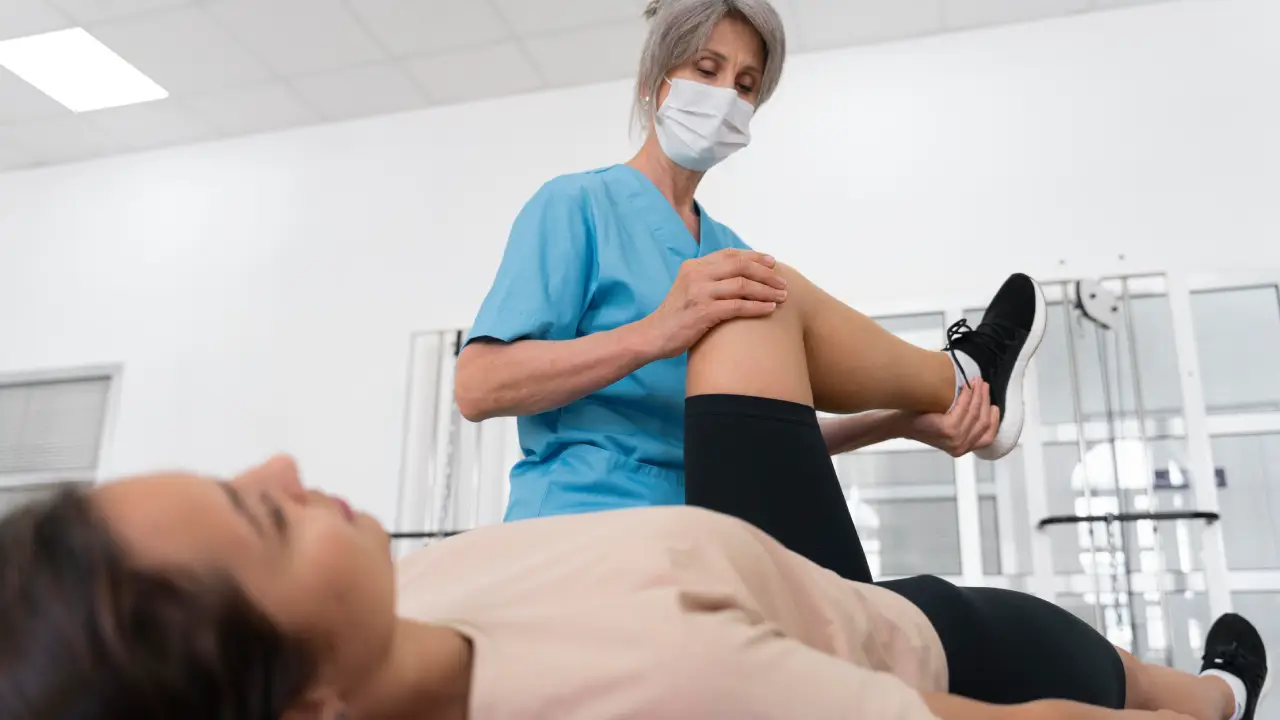
Physiotherapy focuses on identifying movement limitations and addressing the underlying causes of stiffness. Through assessment and guided exercises, Joint Pain Therapy aims to restore joint mobility while strengthening surrounding muscles.
Physiotherapists also evaluate factors such as posture, walking patterns, and workplace ergonomics. Adjustments in these areas may significantly influence how joints function throughout the day. When used consistently, Joint Pain Therapy may help individuals return to everyday activities with greater comfort and confidence.
For residents of Brantford, physiotherapy clinics provide structured care that focuses on restoring movement and maintaining joint function through supervised rehabilitation.
Revive Physiotherapy and Wellness in Brantford
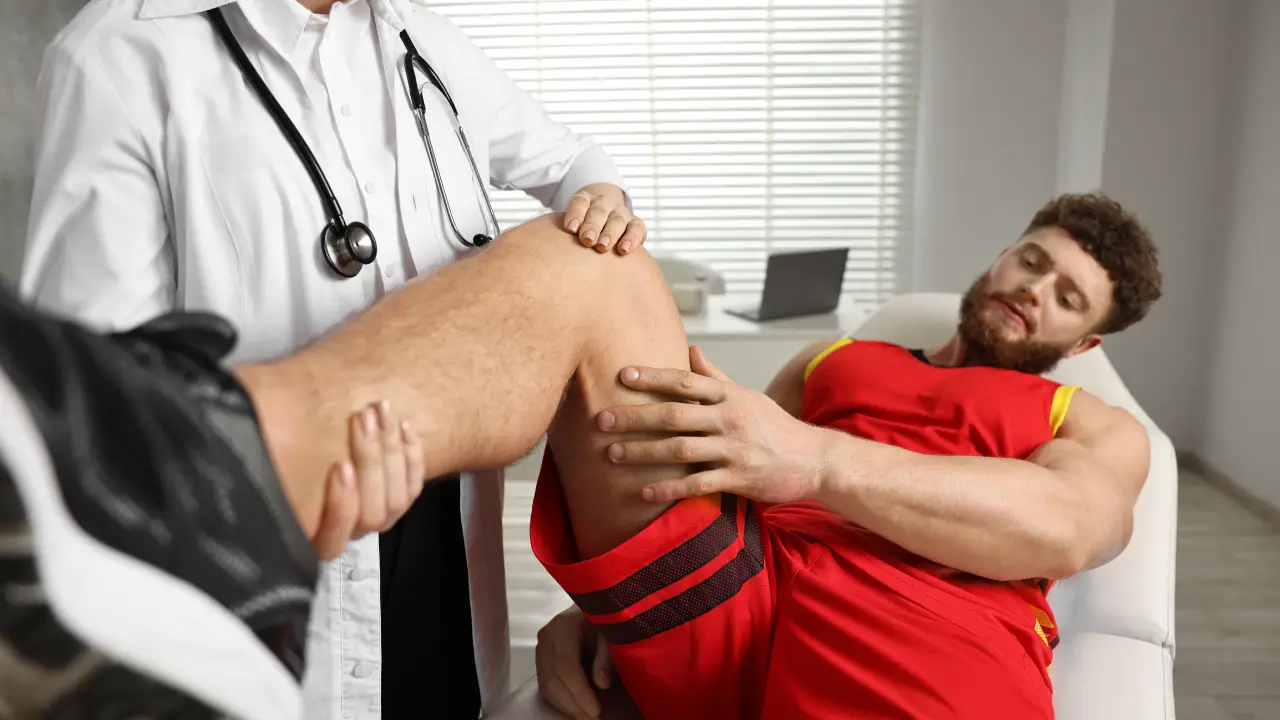
At Revive Physiotherapy and Wellness, the clinical team focuses on movement assessment and practical rehabilitation strategies. Each patient begins with a detailed evaluation of joint mobility, strength, and functional movement.
Based on these findings, the clinic develops a Joint Pain Therapy plan to improve mobility and stability. Sessions often combine exercise therapy, manual techniques, and movement education.
Patients in Brantford frequently visit the clinic for assistance with knee stiffness, shoulder discomfort, hip mobility limitations, and spinal joint concerns. By focusing on movement restoration and physical conditioning, Revive Physiotherapy and Wellness supports individuals who want to remain active in their daily lives.
Practical Tips to Support Joint Mobility
In addition to physiotherapy sessions, small daily habits can help maintain joint movement.
Consider the following strategies:
- Take short movement breaks during long periods of sitting.
- Perform gentle stretching each morning.
- Maintain regular low-impact activity.
- Adjust workstation height and posture.
- Warm up before sports or exercise.
These simple practices may complement Joint Pain Therapy and support ongoing joint health.
Moving Forward
Persistent stiffness should not interfere with daily activities. If joint discomfort has started to affect your movement, professional care may help address the underlying cause.
Residents in Brantford who are considering Joint Pain Therapy can schedule an assessment with Revive Physiotherapy and Wellness. A physiotherapist will evaluate joint mobility, discuss symptoms, and create a plan to restore comfortable movement.
Book an appointment today to take the first step toward improved joint mobility and a more active lifestyle.