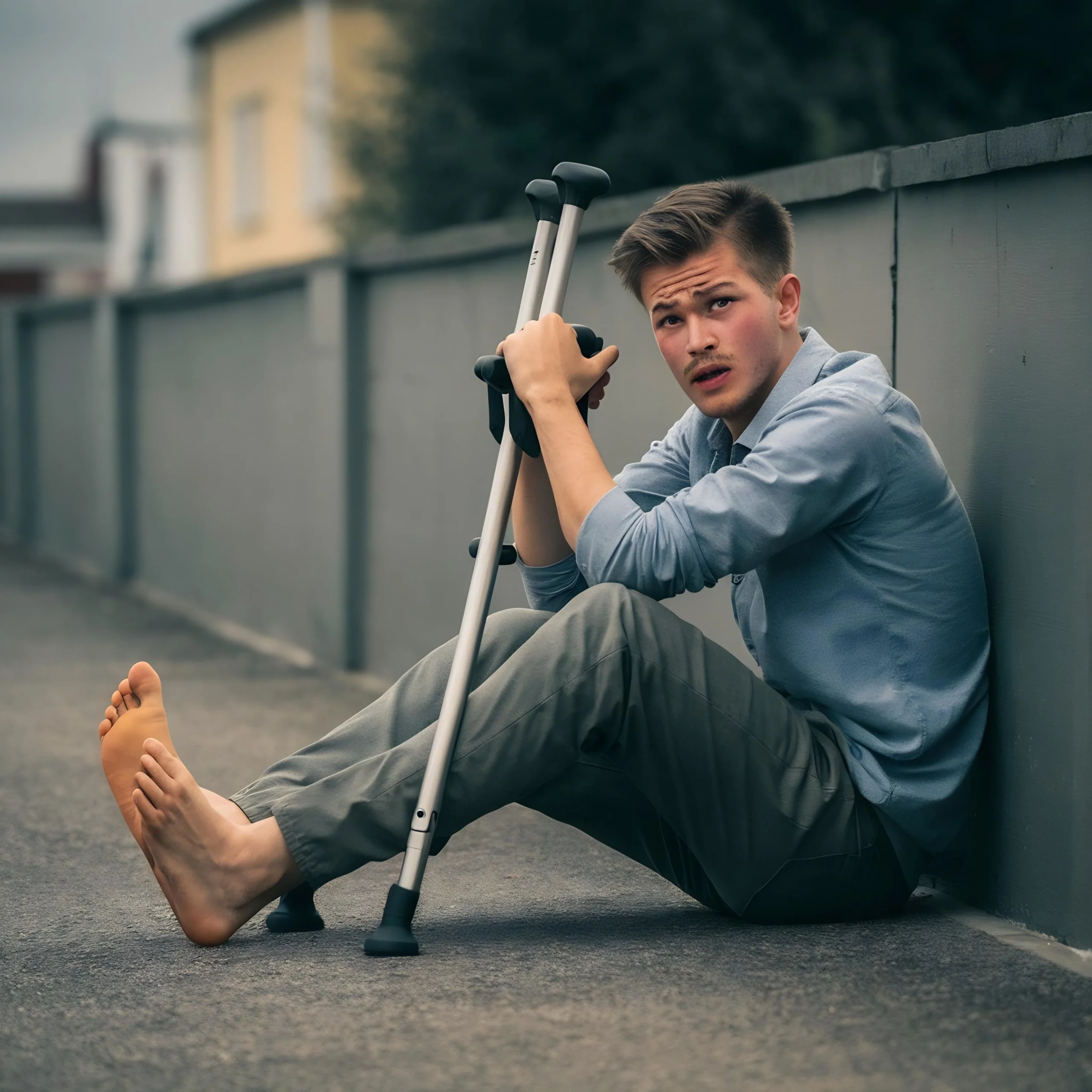



What Happens When an ACL Injury Is Not Addressed Properly
An ACL injury impacts more than one ligament in your knee. It can change how your whole joint moves, supports weight, and handles daily activities. Without proper care, the muscles around your knee can weaken, your balance may suffer, and you might lose Confidence in your movements. That’s why ACL Injury Therapy is so important for keeping your knee working well as you recover.
In Brantford, many people delay structured care, assuming rest alone will be enough. Over time, this choice can lead to reduced knee support, limited motion, and difficulty returning to work or recreational activity. A focused plan helps maintain knee activity, support, and responsiveness throughout recovery.
Why ACL Injury Therapy Is Necessary for Knee Stability
The ACL works with nearby muscles to guide knee movement. When the ACL is hurt, those muscles have to work even harder to keep your knee steady. ACL Injury Therapy helps train these muscles and supports healthy movement in your joint.
Without the right therapy, your knee might start moving in ways that aren’t healthy. This can place additional strain on adjacent tissues and increase the risk of further complications. A structured plan keeps your muscles working and takes pressure off your joint. In Brantford, getting regular care helps you make steady, safe progress.
How the Right Methods Prevent Knee Weakness
1. Progressive Muscle Strength Work
Strong muscles are key to supporting your knee. ACL Injury Therapy usually starts with gentle exercises that work your quadriceps and hamstrings without placing excessive stress on your knee. These exercises help you stand, walk, and climb stairs. As you get stronger, the exercises become a bit harder to match your progress.
2. Joint Mobility and Movement Control
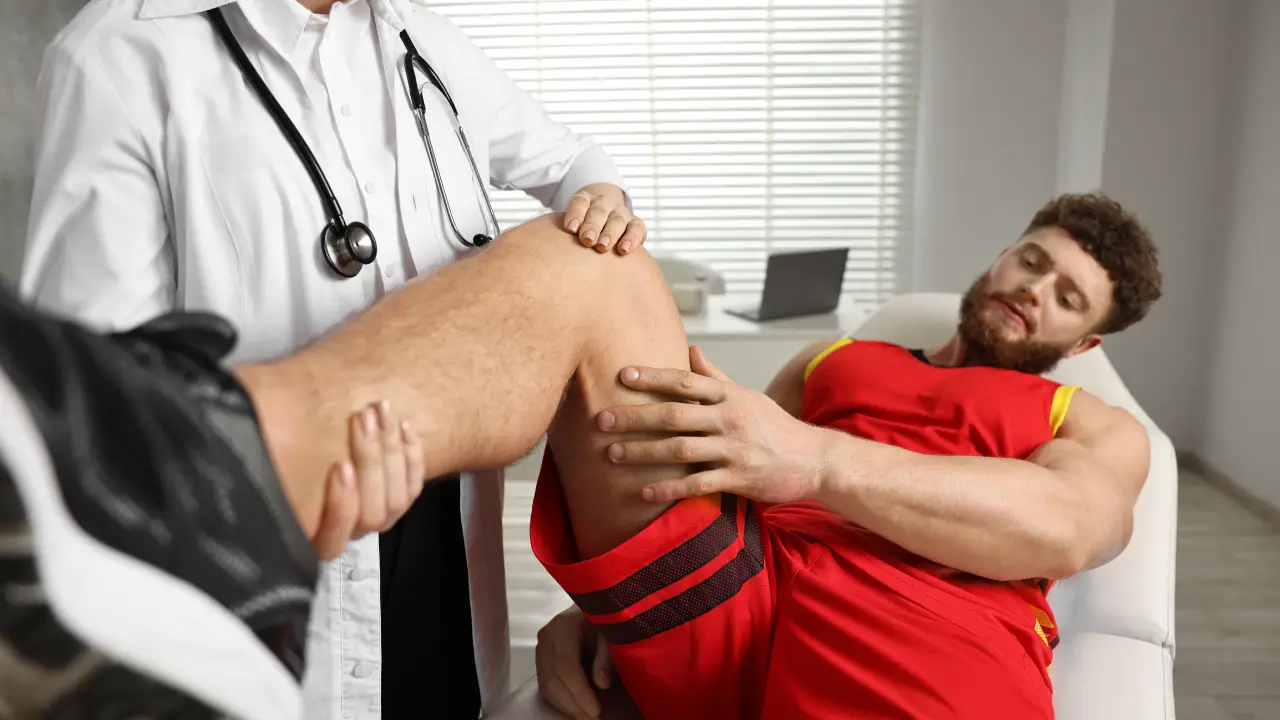
Losing knee movement can make daily life harder and affect your posture. ACL Injury Therapy uses guided exercises to keep your knee moving well. Gentle bending and straightening help keep your joint active while staying within safe limits. This approach helps prevent stiffness and keeps your movements smooth.
3. Balance and Body Awareness Training
After an ACL injury, it can be harder for your body to sense where your knee is. Balance training helps bring back this awareness. Exercises like standing drills, shifting your weight, and stability work help your knee react better to changes in movement or surface. ACL Injury Therapy uses these methods to improve coordination and control.
4. Low Impact Conditioning
Staying fit is important while you recover. Low-impact activities like cycling allow you to move without putting excessive stress on your knees. ACL Injury Therapy often includes these exercises to maintain muscle function and blood flow. This helps you keep your strength as you heal.
5. Functional Movement Practice
Every day tasks need your knee to move in certain ways. Practicing squats, steps, and controlled changes in direction helps your knee get ready for real-life movement. ACL Injury Therapy focuses on these actions to enable a safe return to your normal activities at home and at work.
6. Swelling and Tissue Management
Swelling can make it harder to use your muscles and slow down your recovery. Applying ice and compression after exercise can help manage swelling, whereas applying heat before movement can make movement easier. ACL Injury Therapy uses these methods to help you keep up with your exercises.
7. Ongoing Progress Review
Recovery isn’t always a straight path. Regular check-ins ensure your exercises are appropriate for your current strength and control. ACL Injury Therapy includes routine assessments to adjust your activities and lower the risk of setbacks. This helps you keep making steady progress.
8. Clinic-Based ACL Injury Therapy Support
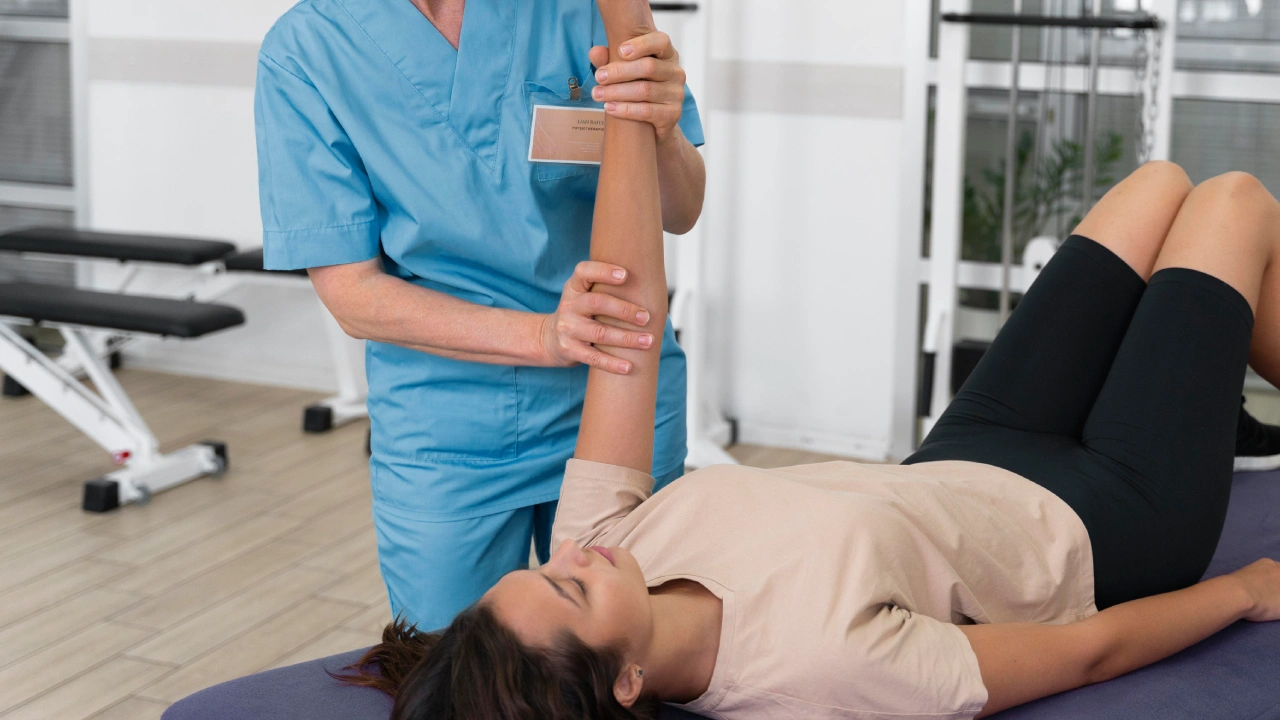
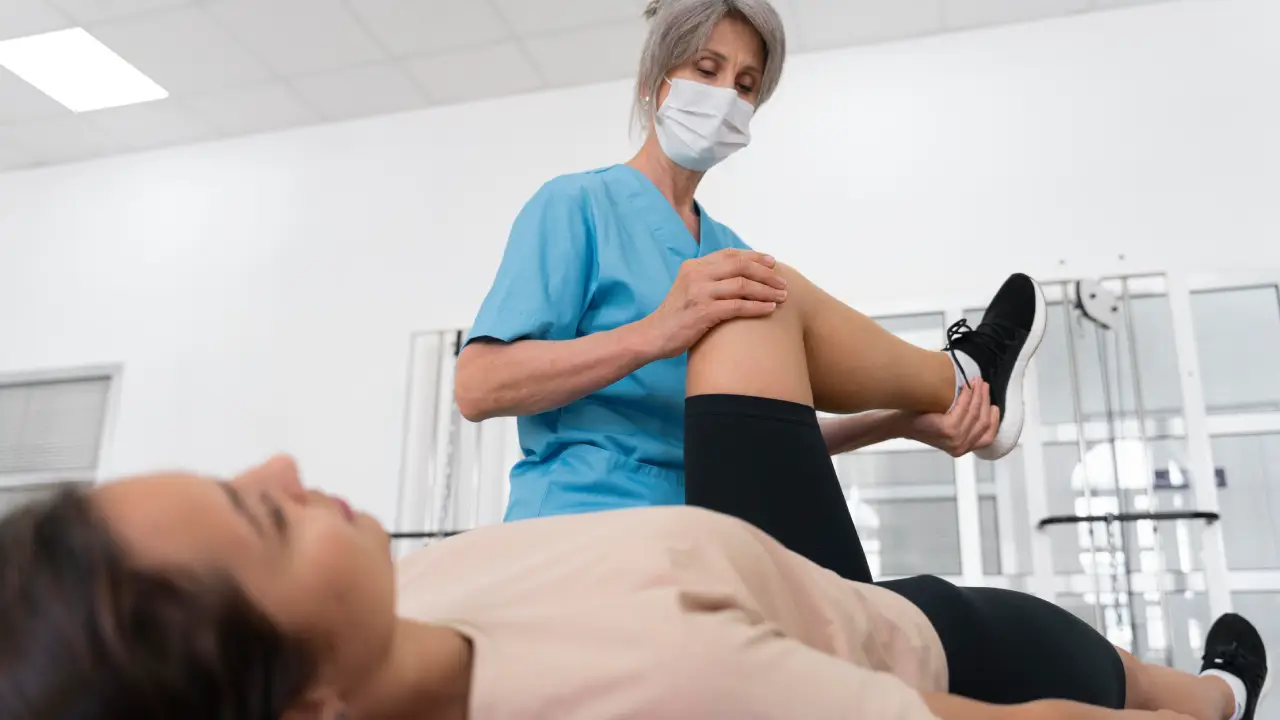
Home exercises are helpful, but clinic-based ACL Injury Therapy gives you more structure and guidance. At our Physiotherapy clinic in Brantford, we focus on good movement, steady progress, and safe ways to strengthen your knee. Our sessions are built to help your muscles work well and boost your Confidence as you recover.
With hands-on help and supervised sessions, you can be sure you’re doing your exercises the right way. This helps prevent habits that might weaken your knee later. For many people, attending the clinic provides consistency and helps maintain progress during recovery.
The Role of ACL Injury Therapy in Daily Life
ACL Injury Therapy isn’t just for athletes. It helps anyone who wants to move confidently in daily life. Whether you’re walking, lifting, or turning, your knee’s stability matters in almost everything you do. A structured therapy plan helps you keep that stability as you recover.
In Brantford, having organized care helps you stay active and protect your knee. With a guided plan, your recovery remains on track and can be adjusted as your needs change.
Choosing the Right Support in Brantford
Choosing a clinic with ACL Injury Therapy experience can make a big difference in your recovery. At our Physiotherapy clinic, we offer structured programs to build knee strength, improve movement, and support your joints for the long term. Our sessions focus on clear progress and on involving you in your recovery.
As you reach the last stage of recovery, having guidance is even more important. Returning to your usual activities without proper preparation can place additional strain on your knee. Support at the clinic helps make sure you’re ready for everyday life.
If you’re in Brantford and want steady support, Revive Physiotherapy and Wellness offers ACL Injury Therapy programs that focus on knee stability, building your Confidence in movement, and helping you recover safely.